National Forest Camping: A Beginner's Guide
Learn the two ways to camp in a national forest, how to reserve a campground, and which local rules to check first.
On this page
National forests are some of the biggest places to camp in the country, and they work differently from national parks. You can sleep in a numbered site next to a picnic table, or you can park on a forest road and camp with no services at all. Both are called camping in a national forest. They need very different planning.
This guide shows you the two options, how each one is booked or found, and which rules change from forest to forest. For a first trip, the safer starting point is a developed campground. Dispersed camping makes more sense after you have a few nights of practice.
The Forest Service manages each forest locally. Stay limits, fire rules and road access can differ even between two forests that share a border. This guide does not list those numbers, because they are local. The forest’s own website has the final word.
Two ways to camp in a national forest
Developed campgrounds are built for camping. They have marked sites and some facilities. Dispersed camping means camping outside developed campgrounds, usually with little or nothing provided.
| Developed campground | Dispersed camping | |
|---|---|---|
| Where | Designated campground | Outside developed campgrounds, where the forest allows it |
| What is provided | Varies by campground | Usually little or nothing |
| Booking | Often through Recreation.gov, sometimes first-come | Not reserved; you find a spot |
| Rules to check | Campground page, open dates | Forest page, road map, fire rules |
| Best for | First trips | Campers who have practiced |
Developed campgrounds: the easier start
Amenities range from simple to well equipped. One Flathead National Forest campground page, used here only as an example, lists fire rings, picnic tables, drinking water and vault toilets. Another campground in another forest may offer less. Read each campground’s page before you pack.
Booking also varies. Many Forest Service campgrounds take reservations on Recreation.gov, and many hold some sites for first-come, first-served use. The Flathead example page says some sites are reservable and others are walk-up. Recreation.gov explains that marking sites first-come is up to each facility. Some campgrounds have a full first-come season, and others have none at any point in the year.
That means two campgrounds in the same forest can ask you to do different things. To avoid surprises:
- Search for the campground on Recreation.gov and open its page.
- Check the open dates and whether reservations are offered.
- Read the rules section for stay limits, food storage and firewood.
- If sites are first-come, plan your arrival and a backup. See first-come, first-served vs. reserved campsites.
For the booking steps, use how to reserve a campsite on Recreation.gov.
Dispersed camping: what to know first
Dispersed camping means camping outside developed campgrounds, usually with little or nothing provided. Each forest sets its own rules for it, so treat the list below as questions to answer on the forest’s page, not as rules.
- Is it allowed where you plan to camp? The forest decides which areas are open. Look for maps, closures and alerts on its page, and do not assume a spot is allowed because other campers are there.
- Which roads can you use? Look for the forest’s road or vehicle-use map, and stay on roads it shows as open to your vehicle. If a road is not on the map, do not drive it.
- What are the limits? Stay limits, group-size limits and distance from water are set forest by forest. Do not borrow numbers from another forest or from a blog.
- Are fires allowed right now? Fire restrictions change by place and by day, and they can apply to a whole forest. Check before you light anything.
- Can you carry everything? Plan for no water, toilets or trash service. Pack out what you pack in.
Dispersed camping on land managed by the Bureau of Land Management has its own rules. Compare them in dispersed camping on BLM land.
How to check a forest’s rules
Start with the forest’s own page on the Forest Service site. Look for the camping and dispersed camping pages, plus any alerts or closure notices. If something is unclear, call the nearest ranger district office. Staff there can tell you about road conditions, fire restrictions and local limits.
- Is this a developed campground or a dispersed area?
- Are there alerts, closures or road conditions posted?
- What are the stay limits and group-size limits?
- Are campfires allowed right now, and do you need a permit?
- Where can you park, and which roads are open to your vehicle?
- Where will you get drinking water and dispose of trash?
For fire questions, the Smokey Bear page tells campers to search for fire restrictions in their location and not to build a fire if the area’s rules or local laws prohibit it. The article on campfire rules and fire restrictions explains how to read those notices. If you bring firewood, see firewood rules at campgrounds.
Common mistakes
- Treating dispersed camping as a free-for-all. It has rules, and they differ by forest.
- Driving any road you see. Check the forest’s motor vehicle map first, since not every road is open to every vehicle.
- Assuming a campground takes reservations. Check the campground page, since some sites are first-come.
- Skipping the fire check. A restriction can apply to a whole forest, including campgrounds.
- Arriving without a water and trash plan. Many sites provide neither.
- Copying numbers from other forests. Stay limits and water distances are local.
Frequently asked questions
Is national forest camping the same as national park camping?
No. National forests are managed by the Forest Service and national parks by the National Park Service. Each agency has its own rules and its own pages. Read national park camping to see the park side.
Do you need a reservation in a national forest?
Many developed campgrounds take reservations on Recreation.gov, and some sites are first-come. Dispersed camping is not reserved. Always check the page for your campground or forest.
Can beginners try dispersed camping?
Yes, if you prepare. Choose a forest with clear online instructions, read its rules, bring all your water, and have a backup campground in case the area is closed or full.
How long can you stay?
It depends on the forest and the type of camping. Look for stay limits on the campground page or the forest’s dispersed camping page.
Next step: pick your campground type
Decide whether your first forest trip will be a developed campground or a dispersed spot, then write down its rules. Put the dates, booking method and fire rule into the Pitch & Pack planner. If your trip falls outside summer, read off-season camping too.
Sources
Official pages used for this guide. Rules vary by place and change often, so check the page for your campground before you go.
- What is a First-Come, First-Served Campsite?, Recreation.gov. Accessed November 6, 2026.
- Swan Lake Campground, Flathead National Forest (example of one campground), Recreation.gov. Accessed November 6, 2026.
- Campfire Safety, Smokey Bear, USDA Forest Service. Accessed November 6, 2026.
Keep reading
Where to Camp
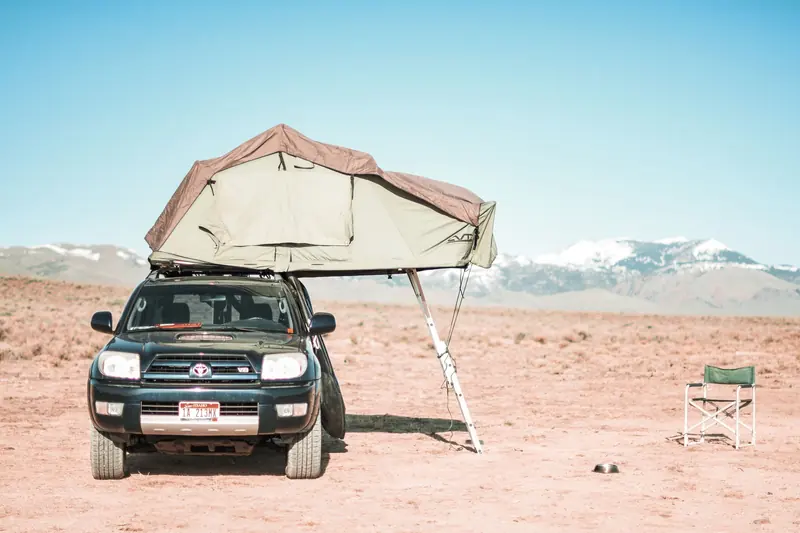
Dispersed Camping on BLM Land: What Beginners Should Know
What dispersed camping on BLM land means, the general rules to check, and how to find and respect a spot.
Where to Camp
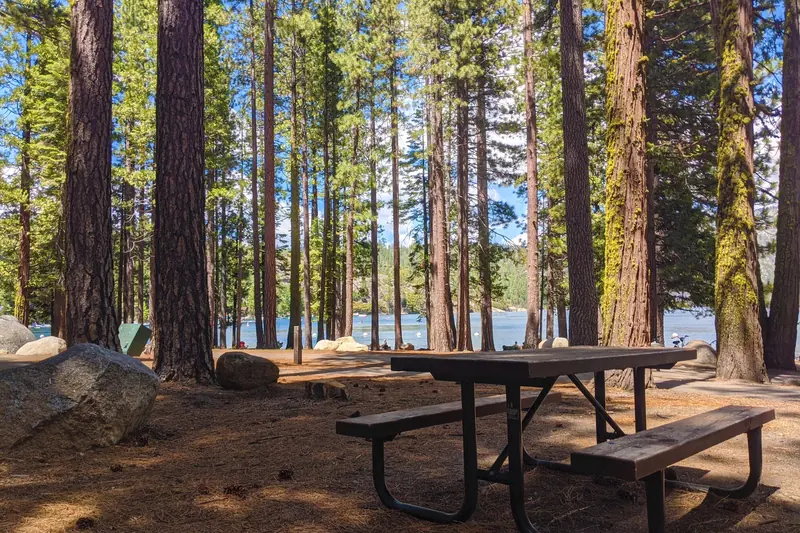
State Park Camping: Why It Is a Good First Choice
Why state parks suit a first trip, how three states run reservations differently, and what to check on your state's page.

Where to Camp
How to Reserve a Campsite on Recreation.gov
A plain walk-through of searching, filtering and booking a campsite on Recreation.gov, plus tips for busy campgrounds.