Camping Basics
How to Plan Your First Camping Trip
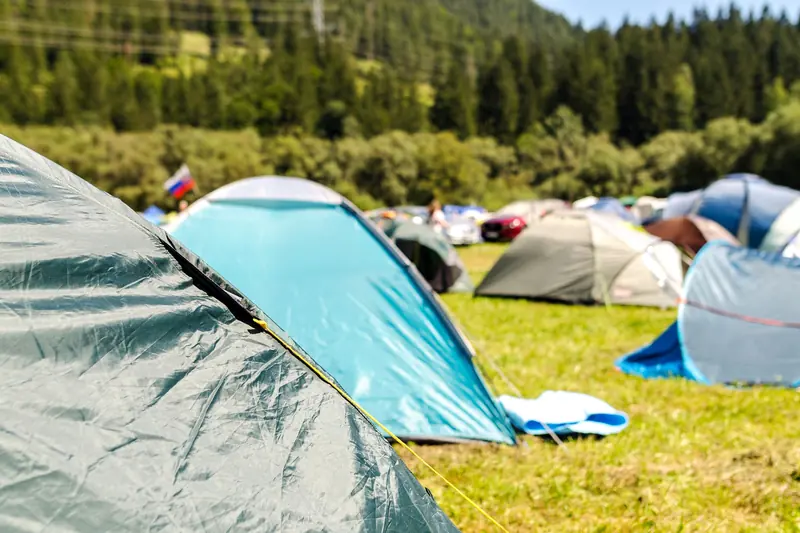
Plan your first camping trip in order: trip type, place, dates, rules, forecast, then a checklist you can tick off.
Camping Basics answers the questions that come before you buy gear or book a site: what kinds of camping exist, how to plan a first trip, what a night outside is like, and how a day at a campground runs. The articles draw on the National Park Service, the Bureau of Land Management and the National Weather Service. They send you back to your own campground’s page, because rules, times and limits change from place to place.
The category is written for beginners: families, couples and friends planning a first trip to a national park, national forest or state park campground. It compares car, RV, backpacking, dispersed and backyard camping. It shows how two people or a group can split the work. It also helps you decide how many nights to book, so the first trip is long enough to learn from and short enough to leave early if something goes wrong.
Start with how to plan your first camping trip for the order of decisions, then read types of camping explained to choose a style. If you want to rehearse first, backyard camping as a practice run is the quickest test. When you are ready to turn the plan into a list, open the Planner.
Camping Basics
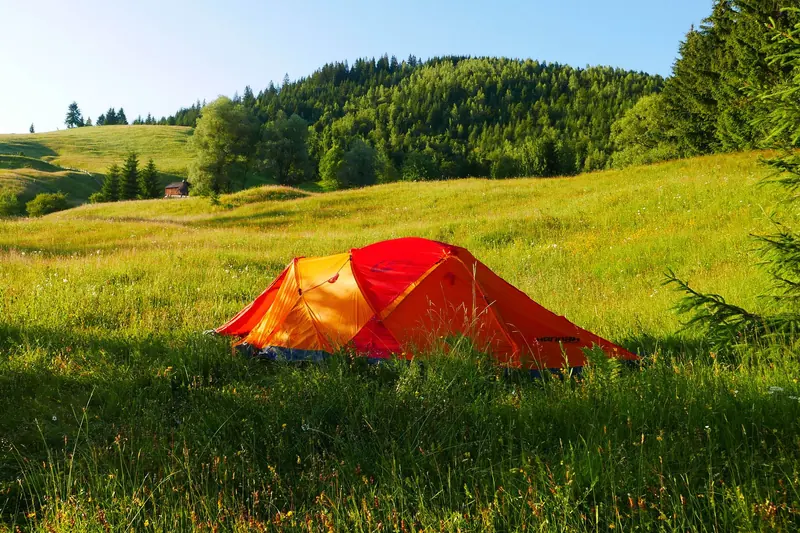
Plan your first camping trip in order: trip type, place, dates, rules, forecast, then a checklist you can tick off.
Camping Basics
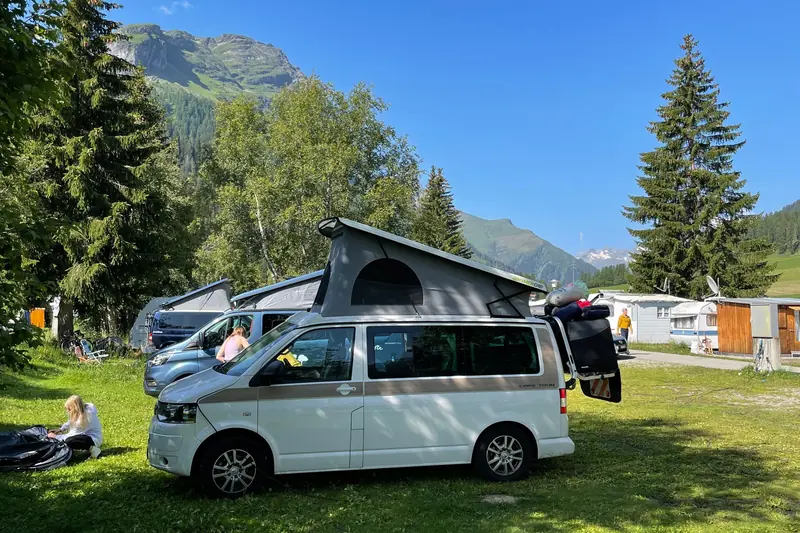
Car, RV, backpacking, dispersed and backyard camping compared, with the official rules that set them apart.
Camping Basics
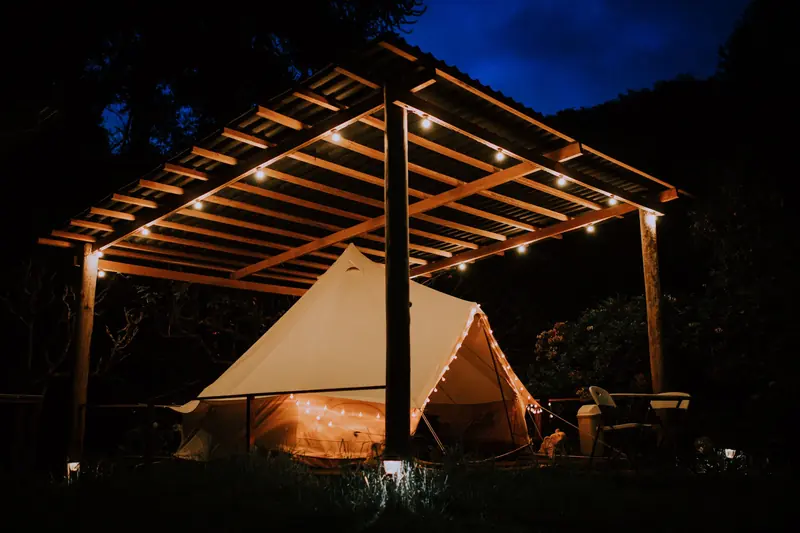
A timeline of your first night at a campground: arrival, setup, dinner, quiet hours, a cold night and the morning.
Camping Basics
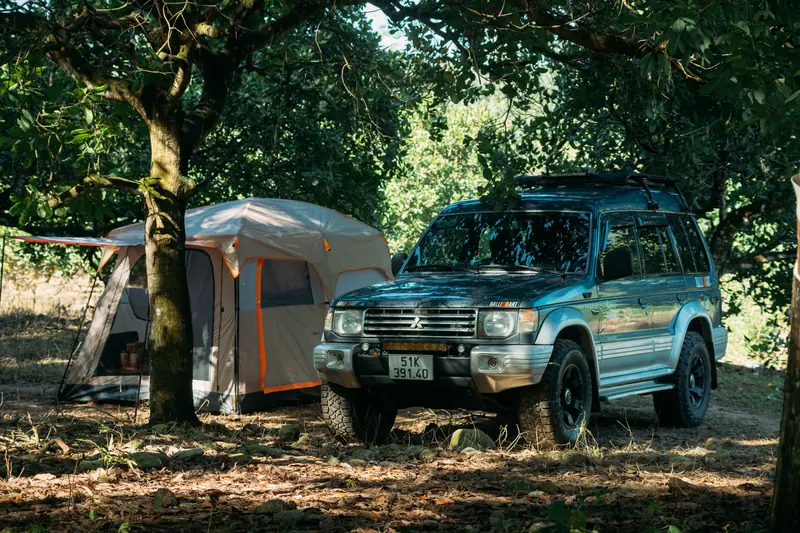
Drive-up camping is the simplest start. See how it works, what the car changes and which campground rules to check.

Camping Basics
A trip for two works best with a clear task split, a shared pace and a site with space. Here is how to plan each part.
Camping Basics
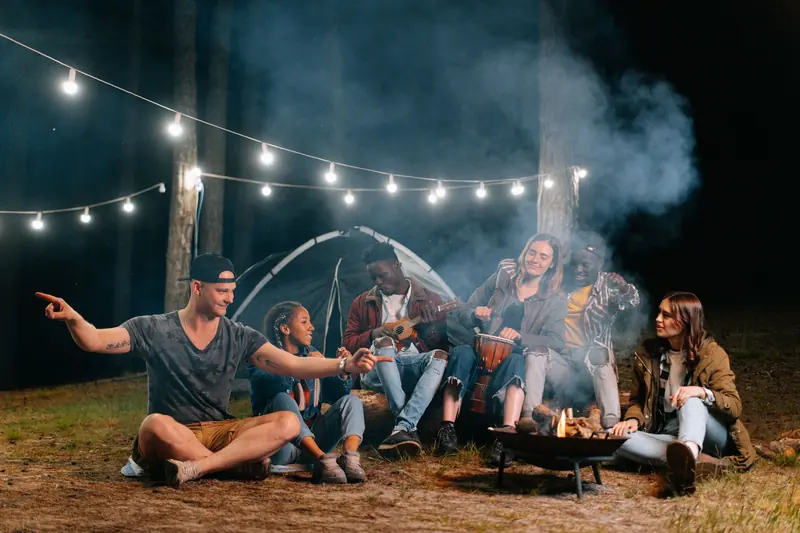
Group trips run on site limits, shared gear and clear duties. Check the rules, then split the plan before you go.
Camping Basics
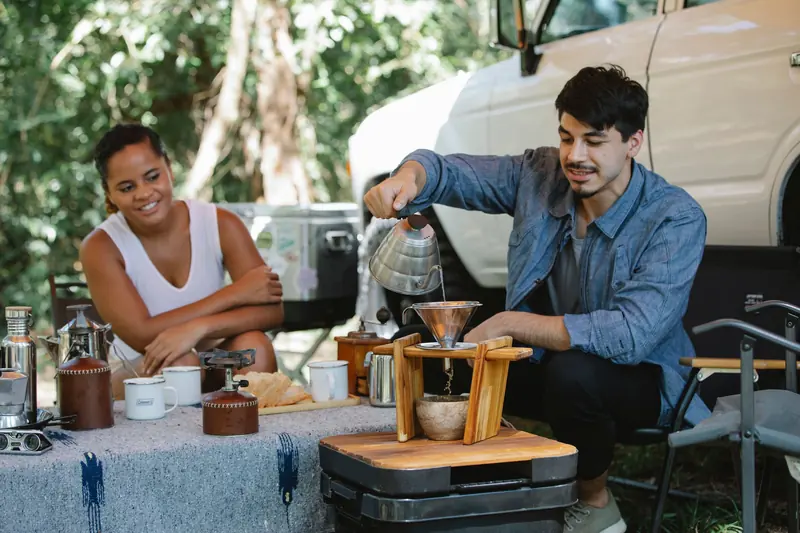
How a camp day runs: morning chores, afternoon rest, evening fire care, posted quiet hours and check-out timing.
Camping Basics
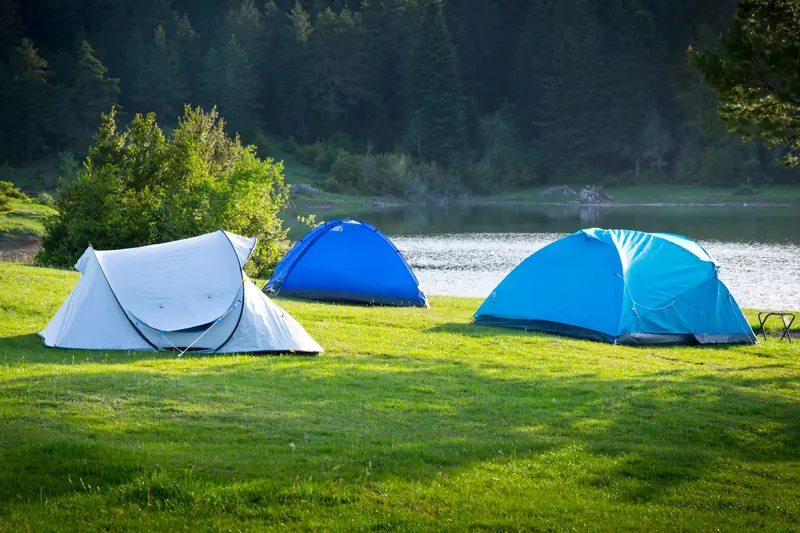
One, two or three nights? Use distance, weather, experience, kids and booking rules to choose the length of your first trip.
Camping Basics
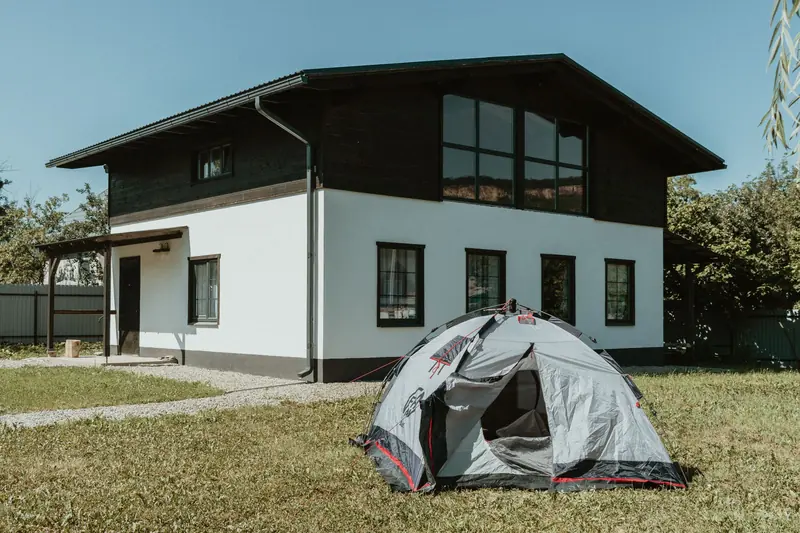
Use one night in the yard to test the tent, stove and sleep setup, and learn what only a real campground can teach you.