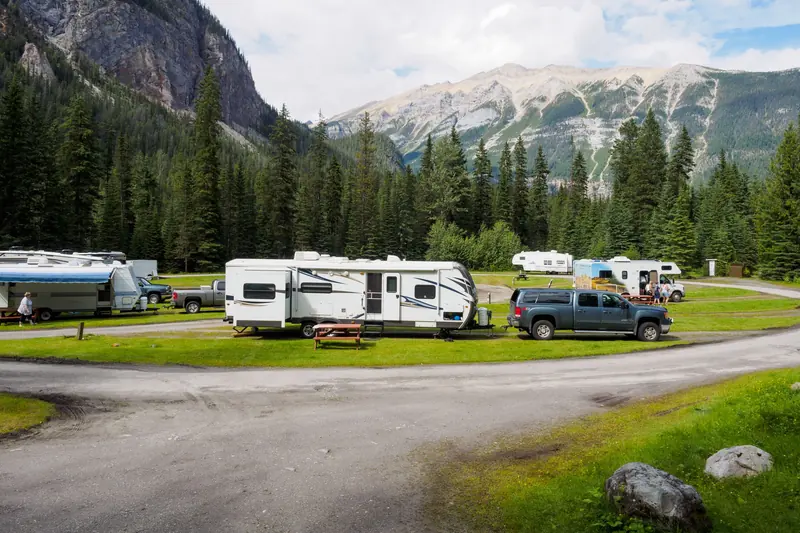
Where to Camp
National Park Camping: How Campgrounds Work
How national park campgrounds work, how to reserve a site, and which park rules to read before your first night.
Where you camp shapes the whole trip: how you book, what the site provides and which rules apply. This category covers the places most first-time campers choose, from national parks and national forests to state parks and public land managed by the Bureau of Land Management. It also covers the habits that help you land a good site, such as reading a campground map, choosing between reserved and walk-up sites, and planning for fall, winter or spring.
Every agency runs its own camping system, so the articles explain the general picture and then show you how to check the details for the place you picked. They are written for beginners: families and couples planning a first night in a campground, not an expedition. Where a rule changes from park to park or state to state, the article says so and points you to the official page.
If you want marked sites and clear park pages, start with state park camping or national park camping. Then read how to reserve a campsite on Recreation.gov, so you understand booking windows before your dates fill up. When you are ready for fewer services, the guides to national forests and BLM land explain the next step, and the accessible camping guide helps you find sites that work for you.
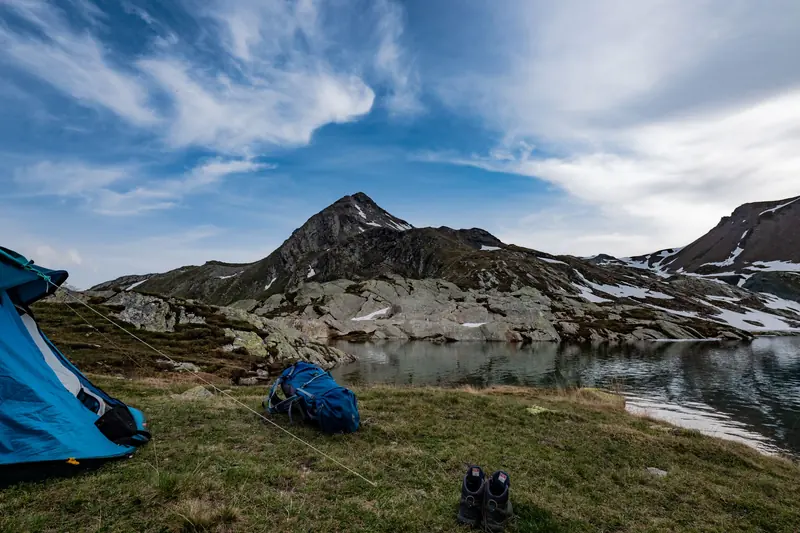
Where to Camp
How national park campgrounds work, how to reserve a site, and which park rules to read before your first night.
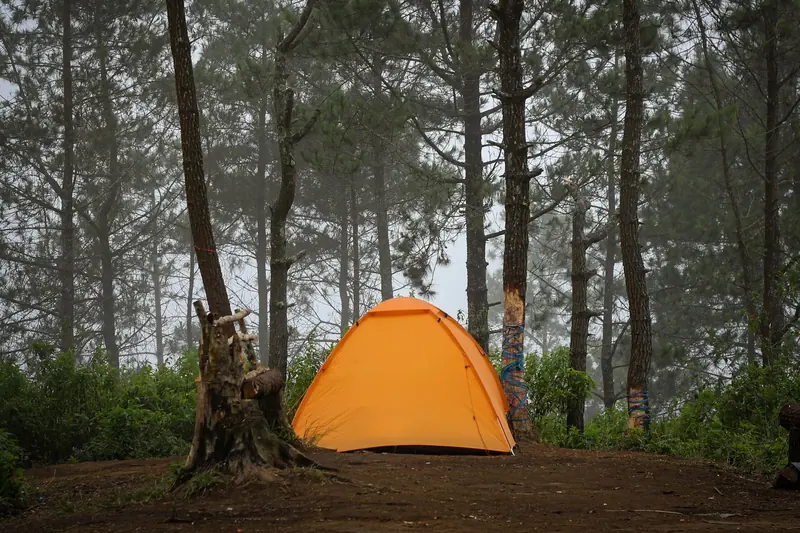
Where to Camp
Learn the two ways to camp in a national forest, how to reserve a campground, and which local rules to check first.
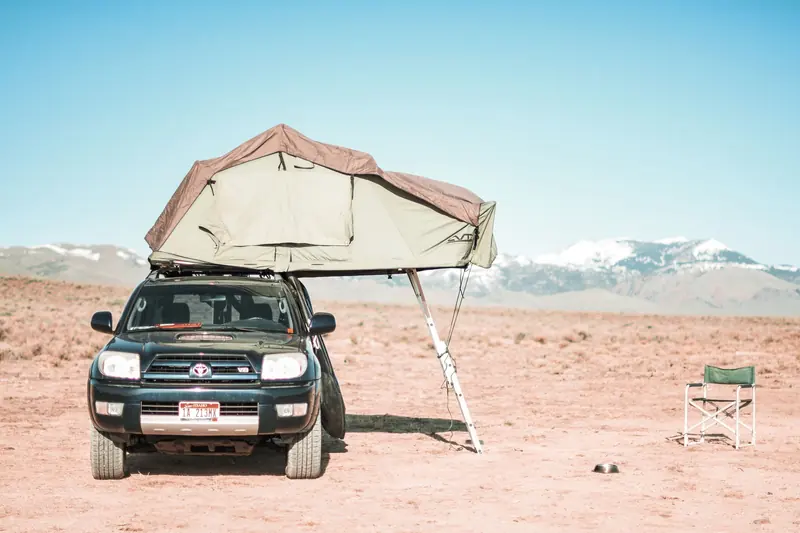
Where to Camp
What dispersed camping on BLM land means, the general rules to check, and how to find and respect a spot.
Where to Camp
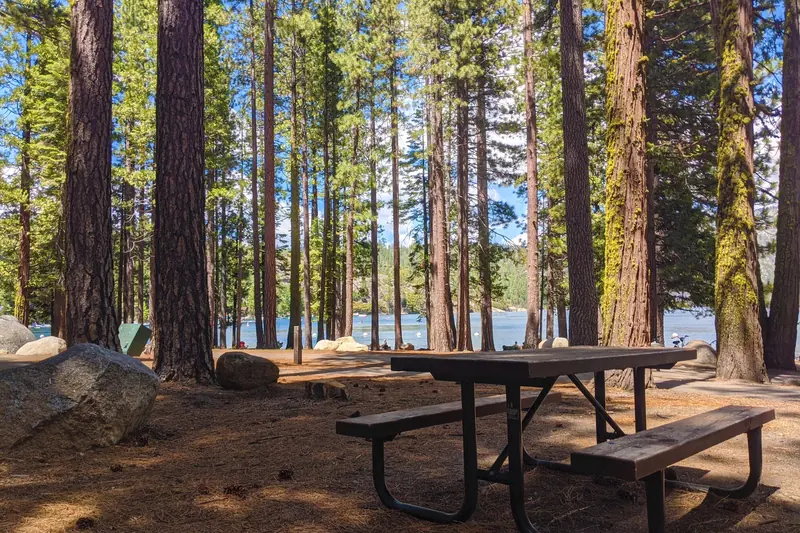
Why state parks suit a first trip, how three states run reservations differently, and what to check on your state's page.
Where to Camp
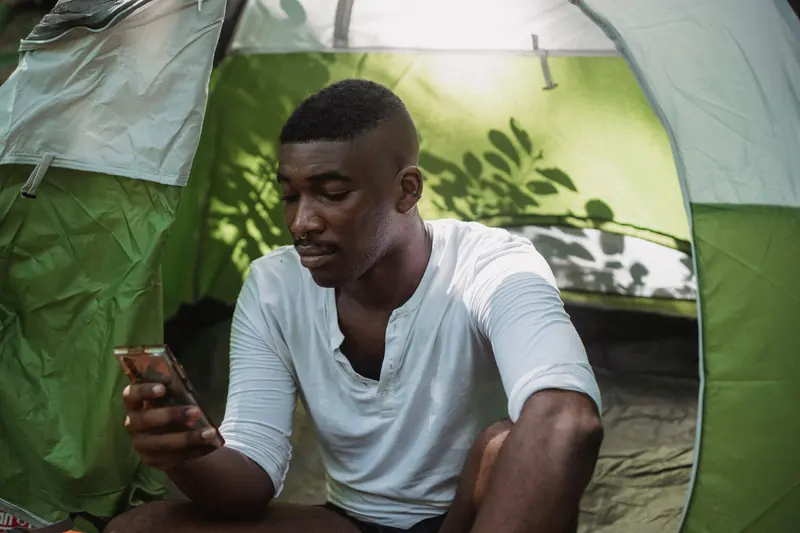
A plain walk-through of searching, filtering and booking a campsite on Recreation.gov, plus tips for busy campgrounds.
Where to Camp
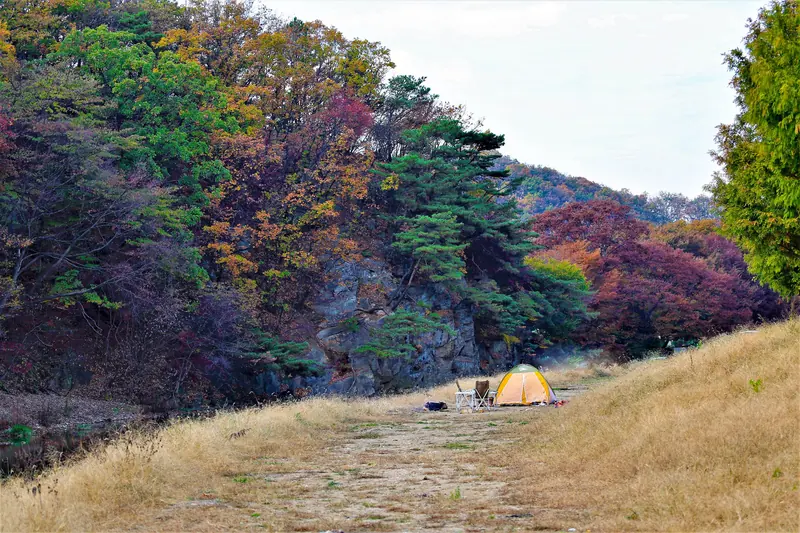
How to plan camping outside summer: what may be closed, how to confirm it, and where to check the weather.
Where to Camp
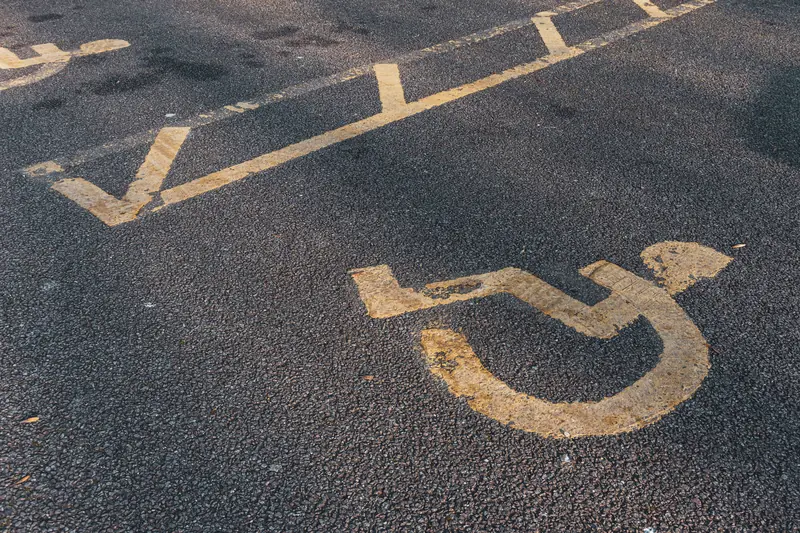
How to find accessible campsites, which official pages to check, and what the federal Access Pass covers.
Where to Camp
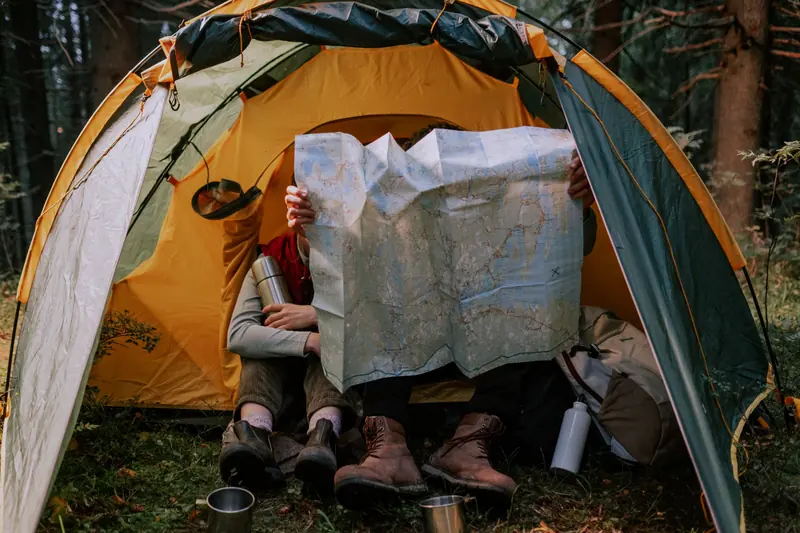
Learn to read a campground map: legend, site numbers, loops, restrooms and entrances, and how they help you pick a site.
Where to Camp
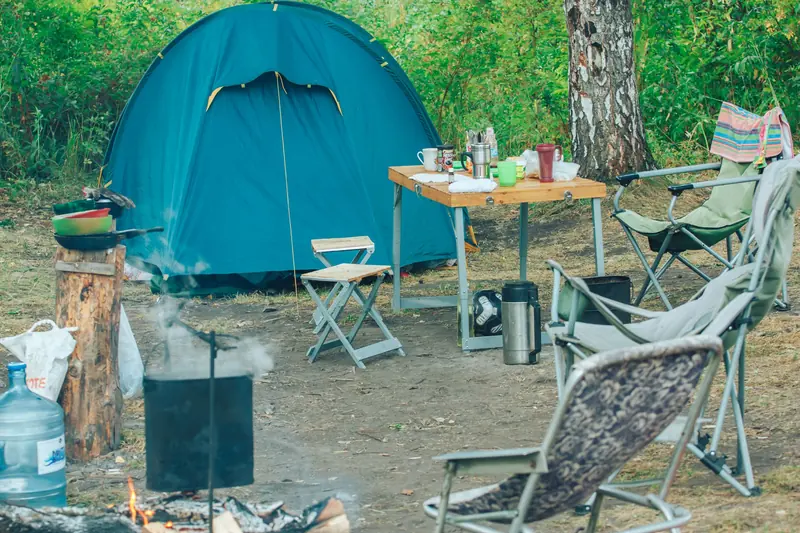
How reserved and first-come campsites differ, how to claim a walk-up site, and how to plan a backup.