Camp Cooking and Campfires
Camp Stove Types for Beginners
Compare canister, liquid fuel, alcohol, wood and charcoal stoves, and learn the safety and fire rules to check before you buy.
Cooking at camp is where a first trip gets real. You have a stove or a fire ring instead of a kitchen, a cooler instead of a refrigerator, and rules that change from park to park. This category covers the whole loop, from choosing a stove to washing the last pan, in plain steps drawn from the National Park Service, Smokey Bear, the U.S. Department of Agriculture and Leave No Trace.
The guides are written for beginners: families and couples on a first trip to a national park, a national forest or a state park campground. Fire and food rules matter most here, because they protect the forest, the wildlife and the people eating dinner. Those rules can change by park, by season and even by day, so each guide tells you what to check before you go and where to check it.
Start with campfire rules and fire restrictions explained to learn how fire stages work and how to confirm the status for your campsite. Next, read food storage at the campsite so your food, trash and scented items are handled the way your campground requires. When you are ready to plan menus, camping meal planning for beginners gives you a simple method.
Camp Cooking and Campfires
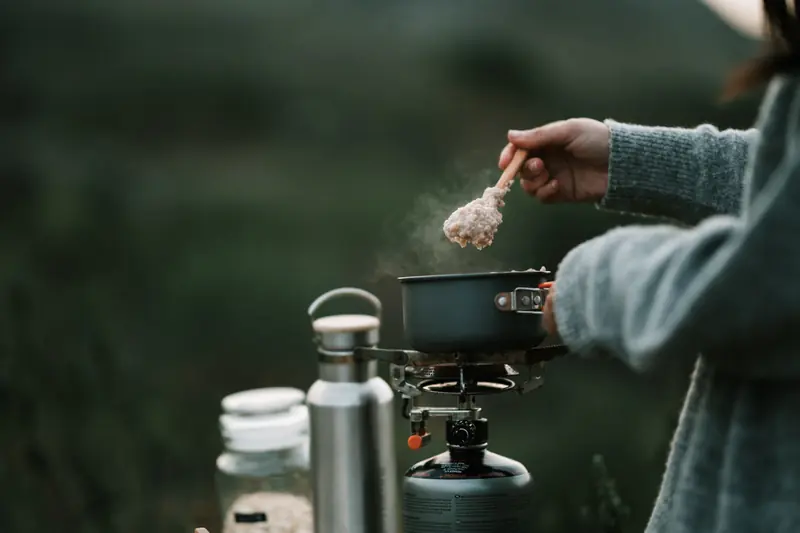
Compare canister, liquid fuel, alcohol, wood and charcoal stoves, and learn the safety and fire rules to check before you buy.
Camp Cooking and Campfires
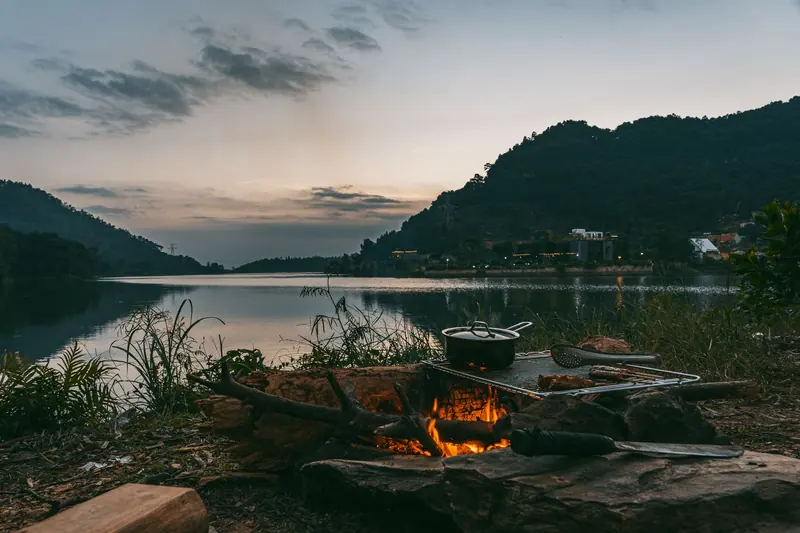
Learn how fire stages differ by place, where campfires are allowed and how to confirm the rules for your campsite on the day you arrive.
Camp Cooking and Campfires
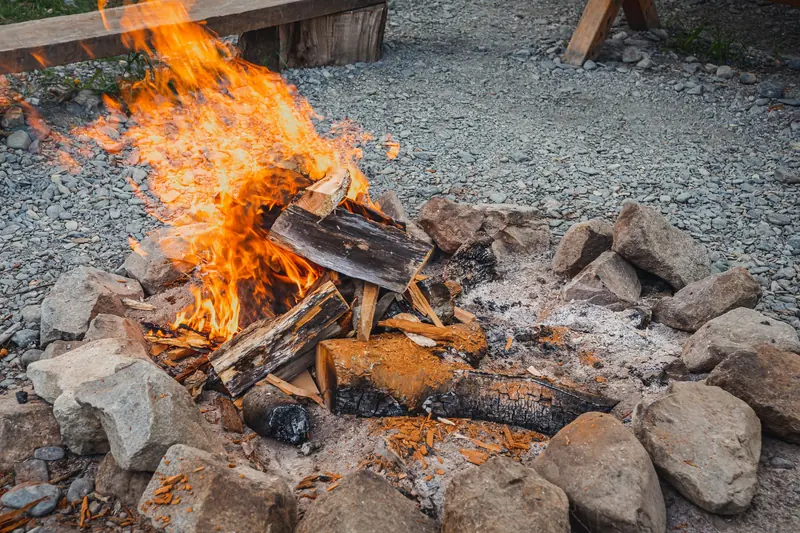
Step-by-step campfire basics: pick the spot, build in layers, keep it small and drown, stir and feel until the ashes are cold.
Camp Cooking and Campfires
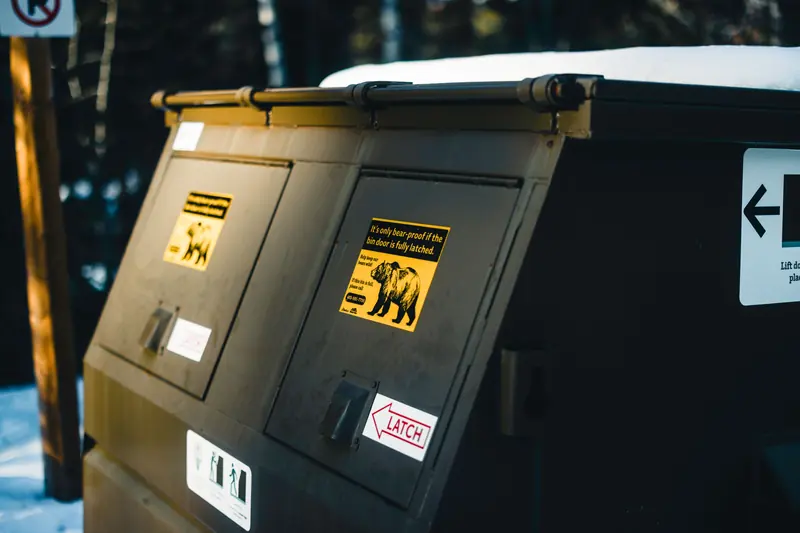
Learn what counts as food, how storage rules differ by campground, and a simple routine that keeps your food, trash and wildlife apart.
Camp Cooking and Campfires
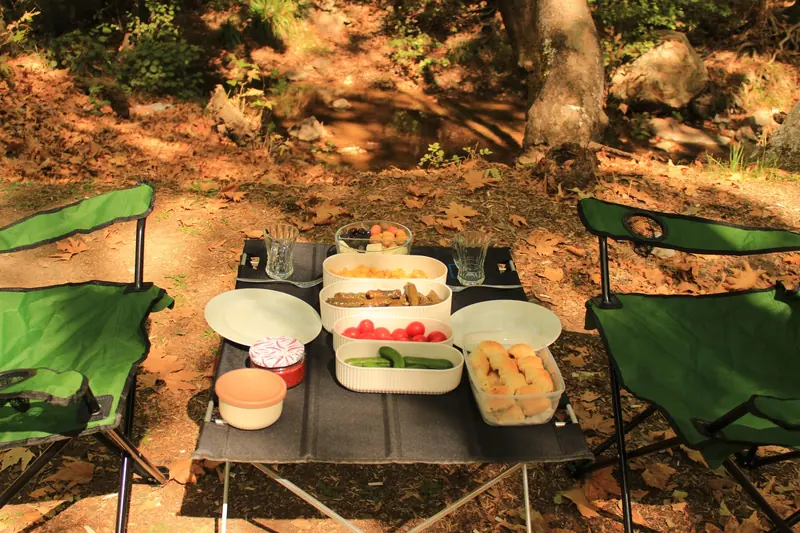
A simple five-step method to plan camp meals by day and by person, with a planning table and a checklist for your first trip.
Camp Cooking and Campfires
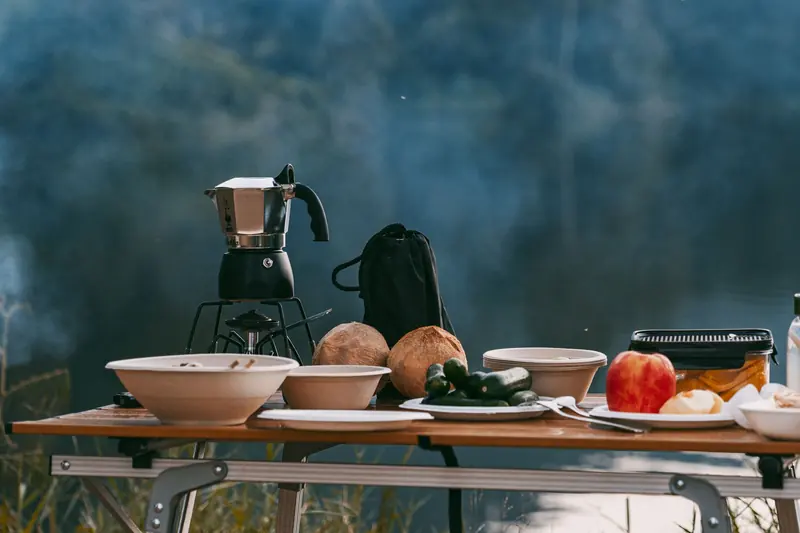
No-cook camp meal ideas by time of day, a sample two-night menu, and the USDA cold-food rules for perishable foods.
Camp Cooking and Campfires
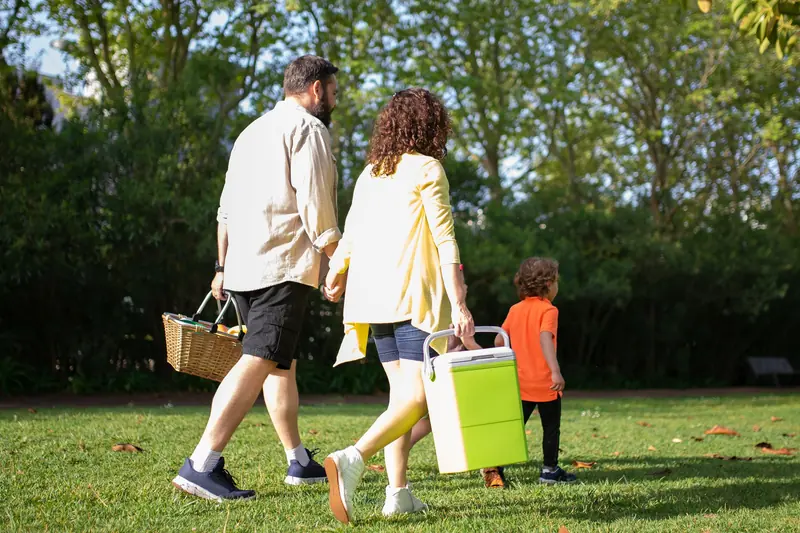
Pack a cooler the USDA way: cold sources, packing order, raw meat placement, a thermometer and the 40°F (4°C) rule.
Camp Cooking and Campfires
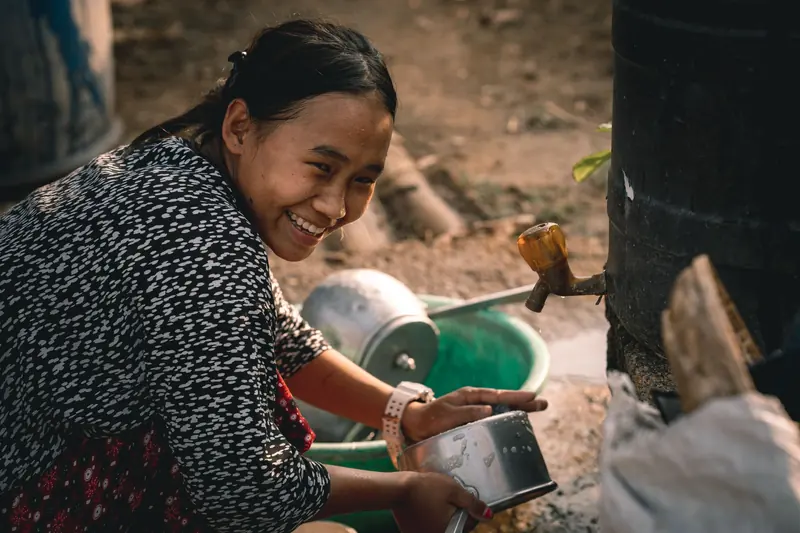
How to wash dishes, strain and dispose of dishwater, and handle scraps and trash at camp, with the rules that change by campground.
Camp Cooking and Campfires
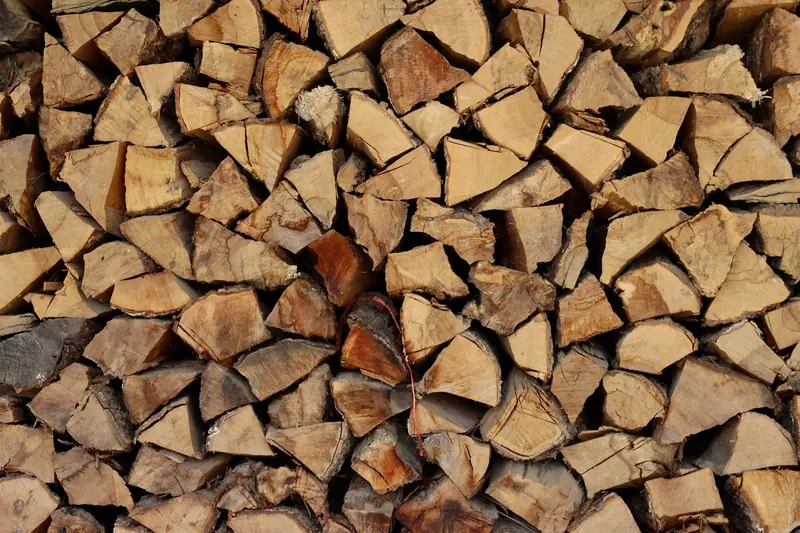
Why campers should not carry firewood, how far is too far, what heat-treated wood means and when gathering is allowed.