How to Build and Put Out a Campfire Safely
Step-by-step campfire basics: pick the spot, build in layers, keep it small and drown, stir and feel until the ashes are cold.
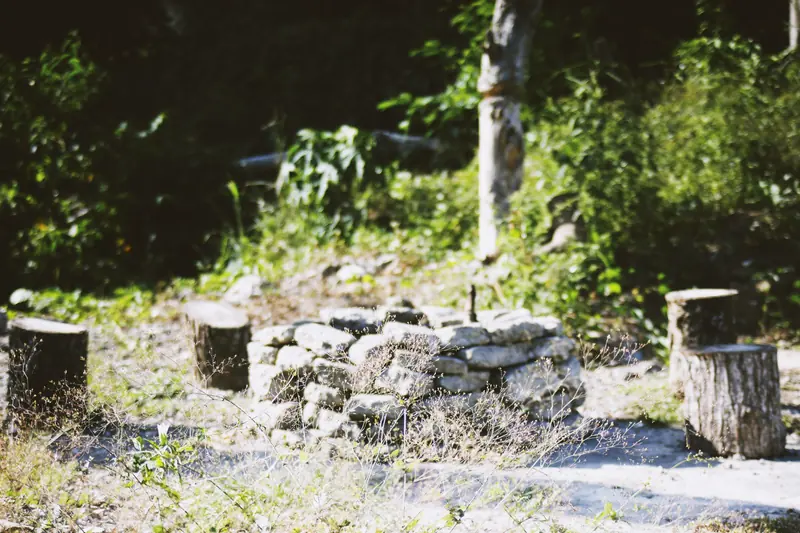
On this page
A campfire is easy to start and surprisingly easy to get wrong. The two big mistakes are building it too large and leaving it before it is truly out. Both are avoidable with a short routine.
This guide follows the advice published by the National Park Service and by Smokey Bear, the U.S. Forest Service fire prevention program. It walks through the whole sequence: the spot, the layers of wood, how to keep the fire small, and how to put it out until the ashes are cold to the touch.
One rule comes before every step: confirm that fires are allowed at your site today. Fire bans change with the weather. Use campfire rules and fire restrictions explained to check, and stop there if a ban is on. This guide also does not cover first aid or survival skills. If someone is hurt, get help from a ranger, a camp host or 911.
Before you light anything
- Fire status confirmed for your campground today
- Water, a bucket or large container, and a shovel within reach
- An existing fire ring or pit at your site
- Wood bought near the campground, or gathered only where the rules allow it
- Tents, chairs and gear at least 15 feet (4.6 m) away and upwind of the fire
- Spare wood stored upwind, away from sparks
Smokey Bear’s page lists water, a bucket or large container, a shovel and a metal fire ring as the basic kit. The National Park Service says to keep tents, gear and other flammable items at least 15 feet (4.6 m) away and upwind of the firepit. For wood, buy it near the campground; see firewood rules at campgrounds for why. Do not light a fire in hazardous, dry or windy conditions, Smokey Bear says.
Choose and prepare the spot
In a developed campground, use the ring or grate at your site. Do not build a second one. The clearances still apply. Smokey Bear’s guidance for the spot:
- Pick a flat, open area with open space overhead, away from gusty winds and open fields.
- Stay at least 15 feet (4.6 m) from tents, vegetation and low-hanging branches.
- Leave vertical clearance of at least 3 times the height of the flames.
- Clear a 10-foot (3 m) diameter around the site.
- Use an existing fire pit with a metal ring or rock circle. If none exists and fires are allowed, the page says to dig down about 1 foot (30 cm) and circle the pit with rocks.
Build the fire in layers
- Gather three sizes of fuel. Smokey Bear names tinder (small twigs, dry leaves, grass, needles), kindling (sticks smaller than 1 inch (2.5 cm) around) and logs.
- Leave air gaps. The National Park Service says not to stack wood densely.
- Make a small structure. Pile tinder in the center and build a teepee or lean-to. For a longer-lasting fire, Smokey Bear suggests a cross or log cabin. The National Park Service describes larger pieces in a cross-hatch tower with kindling and firestarter in the gaps.
- Split thick wood. Bark burns less well than the inside of a log, so thinner pieces help.
- Light and feed it. Use a match or lighter. Blow lightly at the base, then add kindling slowly and larger dry wood after that.
Very dry wood burns fast. Wet wood smokes heavily and may not catch, the National Park Service says. Where gathering is allowed, take small dry sticks from the ground. Smokey Bear says never to cut whole trees or branches, dead or alive.
On fire starters the two pages differ. Smokey Bear says never to use flammable liquids. The National Park Service says to use only lighter fluid, only after confirming at the visitor center that it is allowed, never gasoline, and never on embers or open flame. The simplest path is to skip liquids and use dry kindling and a firestarter.
Keep it small while it burns
- Small, not tall. Both agencies say to keep the fire small.
- Never alone. The National Park Service says never to leave a fire unattended and to keep water nearby.
- Watch children and pets. Sparks can melt synthetic clothing, the National Park Service notes. Use long cooking tools with insulated handles.
- Burn wood only. Do not burn bottles, cans or plastics. Smokey Bear adds aerosols, pressurized containers, batteries, glass and aluminum. The National Park Service bear page adds food scraps, tea bags and coffee grounds, because partly burned food still attracts wildlife. See pack it in, pack it out.
- Burn down to ash. Leave No Trace guidance says to burn all wood and coals to ash and put the fire out completely.
If a fire jumps to nearby plants or embers fly outside the fire, Smokey Bear says to call 911 right away. The National Park Service adds that without cell service you should contact the nearest ranger or campground host.
Put it out until it is cold
Smokey Bear’s rule is short: if it is too hot to touch, it is too hot to leave. The method is drown, stir, feel.
- Drown. Pour plenty of water on the fire until the hissing stops. Dirt or sand alone is not enough.
- Stir. Use a shovel to mix the water into the embers, dirt and sand. Scrape sticks and logs until no embers are exposed or smoldering, not just the red ones.
- Drown again. Keep adding water, dirt and sand until everything is cool.
- Feel. Hold the back of your hand just above the ashes to check that the embers are cool. Do not leave until the fire is entirely out.
The National Park Service warns that whitish or gray coals can hold heat for hours and flare up in gusty wind, so spread them out. If you have no water, spread the coals with a poker and stir sand or dirt through them until they are out. Do not just kick dirt over the fire, because that can bank the coals and keep them hot longer. Never go to sleep or leave while the fire is still too hot to touch.
Common mistakes
- Lighting in wind or dry weather. Smokey Bear says not to.
- Building too big. Both agencies say to keep the fire small.
- Stacking wood tightly. Fire needs air gaps.
- Burning trash or leftovers. Plastics can release toxic gases, and partly burned food still attracts wildlife.
- Kicking dirt on the fire. Water, stir, feel is the method.
- Leaving warm coals. Coals can look dead and still hold heat.
- Storing spare wood next to the fire. Keep it upwind.
Frequently asked questions
How far should a campfire be from a tent?
Both the National Park Service and Smokey Bear say at least 15 feet (4.6 m). Keep it upwind of tents and gear, and do not set up under low-hanging branches.
How can you tell a campfire is fully out?
The hissing has stopped, nothing is smoldering, and the back of your hand held over the ashes feels no heat. Smokey Bear’s rule: if it is too hot to touch, it is too hot to leave.
Can you use lighter fluid?
The pages disagree, so avoid it. Smokey Bear says never to use flammable liquids. The National Park Service allows lighter fluid only with visitor center approval and never on embers or flames.
What if you have no water?
Spread the coals and stir sand or dirt through them until they are out, as the National Park Service describes. Water is the better choice, so keep a full bucket by the fire.
Next step: practice the routine
Add a bucket, a shovel and “fire out, cold to the touch” to your trip checklist. The Pitch & Pack Planner can hold that list, and how to set up a campsite shows where the fire ring fits in your layout.
Sources
Official pages used for this guide. Rules vary by place and change often, so check the page for your campground before you go.
- Campfires, National Park Service. Accessed November 6, 2026.
- Campfire Safety, USDA Forest Service (Smokey Bear). Accessed November 6, 2026.
- Leave No Trace Seven Principles, National Park Service. Accessed November 6, 2026.
- Storing Food in Bear Country, National Park Service. Accessed November 6, 2026.
Keep reading
Camp Cooking and Campfires
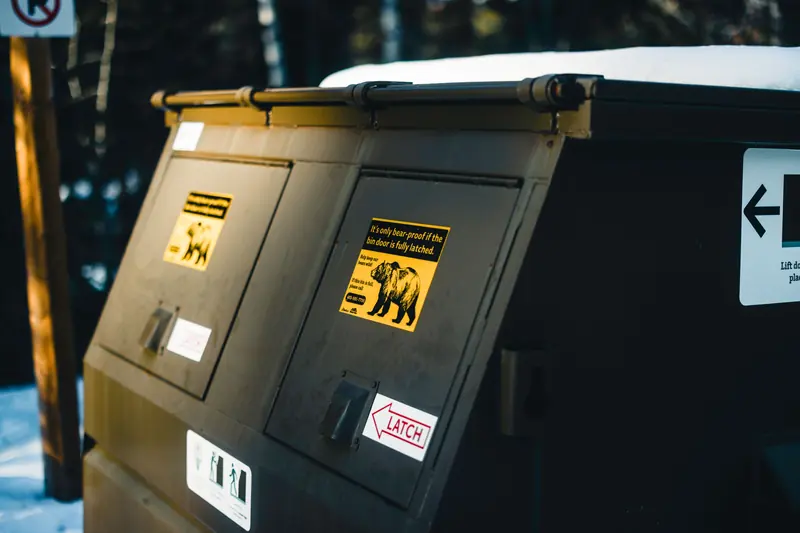
Food Storage at the Campsite: Protecting Food and Wildlife
Learn what counts as food, how storage rules differ by campground, and a simple routine that keeps your food, trash and wildlife apart.
Camp Cooking and Campfires
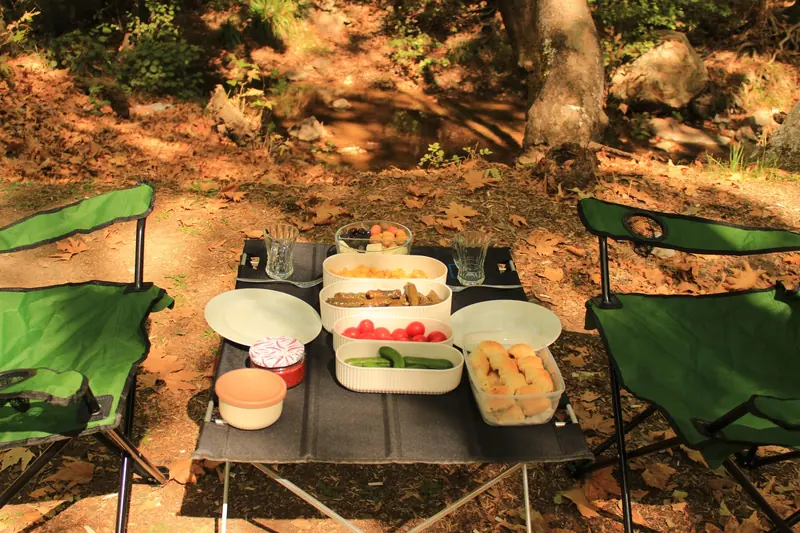
Camping Meal Planning for Beginners
A simple five-step method to plan camp meals by day and by person, with a planning table and a checklist for your first trip.
Camp Cooking and Campfires
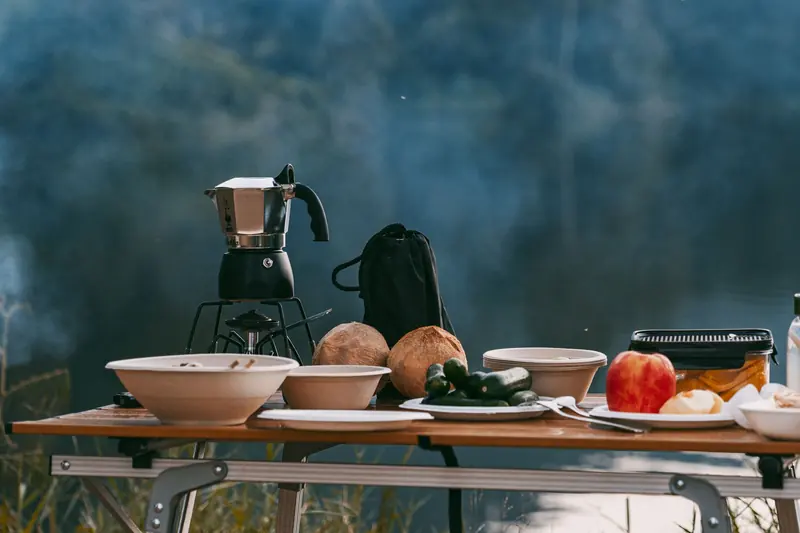
Easy No-Cook Camping Meals
No-cook camp meal ideas by time of day, a sample two-night menu, and the USDA cold-food rules for perishable foods.