Firewood Rules at Campgrounds: Buy It Where You Burn It
Why campers should not carry firewood, how far is too far, what heat-treated wood means and when gathering is allowed.
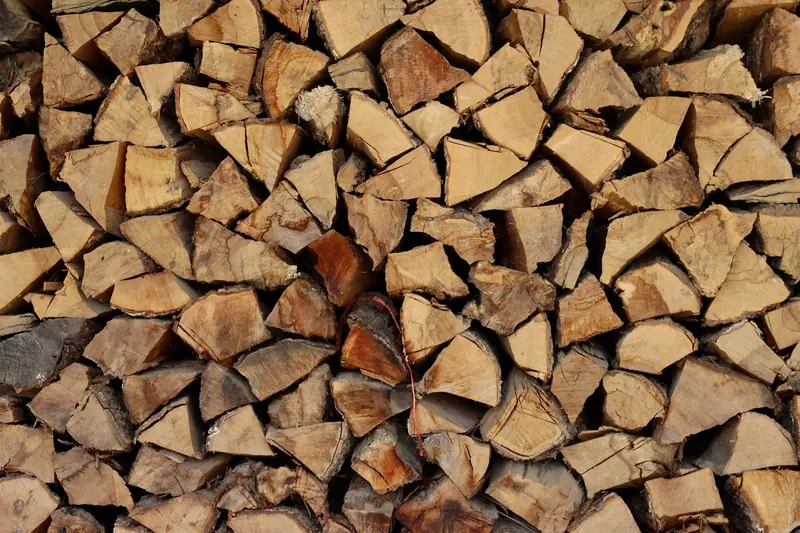
On this page
A few logs from the backyard woodpile look like a harmless addition to the trunk. It saves a stop on the way to camp, and the wood is already dry. Yet federal pages ask campers not to do this. They give a clear reason, and the habit they recommend is easy to follow once you know it.
This guide answers the three firewood questions every first-time camper has. Where should the wood come from? Can you gather it at the site? And what do you do with the logs you did not burn? The short version is in the title: buy it where you burn it. The details depend on the park, forest or campground, so the sections below show how the rules differ and how to check yours.
Why you should not bring firewood
Wood can carry living pests. The National Park Service says live wood-boring beetles, tiny insect eggs, microscopic fungal spores and more can be hidden in and on firewood, even wood that looks healthy. Those pests can travel hundreds of miles hidden in a bundle, and native forests often have few defenses against them.
The USDA’s Animal and Plant Health Inspection Service (APHIS) makes the same point. Invasive pests such as tree-killing beetles and leaf-eating insects can travel in firewood, and the easiest prevention step is to buy firewood near where you will burn it. The agency adds that even short-distance travel can spread pests unless the firewood has been properly treated.
What “buy it where you burn it” means
The National Park Service gives a distance. Ideally, you get firewood 10 miles (16 km) or less from your destination, and generally 50 miles (80 km) is considered too far. APHIS notes that many parks sell approved firewood on site or nearby, which lets you follow the local guidelines.
| Wood source | What the official pages say |
|---|---|
| Sold at or near the campground | The preferred choice. Check the park or campground website for options. |
| Packaged, heat-treated wood with a USDA APHIS or state seal | The National Park Service says it is considered safe to move. APHIS says to use heat-treated wood if you must move firewood. |
| Wood from home or elsewhere, not certified | Do not bring it. If you cannot confirm the wood is certified, buy it where you will burn it. |
| Gathered at the site | Allowed only where rules permit. The National Park Service says this is not allowed in many national parks. |
Before you leave, check the park website and Recreation.gov for fire restrictions, whether you can collect firewood, and whether wood is sold at the campground. If it is not sold there, look for the closest source.
When gathering is allowed and when it is banned
Gathering varies from one campground to the next. These two National Park Service campground handouts show the range.
| Campground (example) | Gathering | Buying |
|---|---|---|
| Watchman Campground, Zion National Park | Wood gathering is prohibited in the park. | Wood is available for purchase in the nearby town of Springdale. |
| Lewis Mountain Campground, Shenandoah National Park | Dead wood on the ground may be gathered. Do not saw, cut, chop or harvest any part of a standing tree, dead or alive. | Certified firewood is sold in the park. Wood from outside the park must be USDA certified and labeled. |
Handouts like these can change, so treat them as examples, not current rules for those places. Where gathering is allowed, official guidance on how to do it is consistent. Smokey Bear says to gather small, dry sticks or logs from the ground and never to cut whole trees or branches, dead or alive. Leave No Trace guidance, as published by the National Park Service, says to use only down and dead wood that can be broken by hand.
On national forest and BLM land, the rule comes from the local forest or field office. See national forest camping and dispersed camping on BLM land for how those lands work, then check the local page. In a state park, check the park page, as covered in state park camping.
- Fire status checked for your dates
- Firewood rule checked: sold on site, gathering allowed or banned
- Closest source of wood identified if the campground does not sell it
- Backup fuel packed in case of a burn ban, as APHIS suggests
- No firewood from home in the car
What to do with leftover wood
The same rule works on the way home. The National Park Service says not to take leftover wood with you. Leave it at the campsite for other campers or with a camp host. APHIS also advises cleaning boots, clothes and camping equipment before you leave, since they can carry pests too; see how to clean, dry and store camping gear.
Buy what you plan to burn rather than a big stack, because a smaller fire needs less. How to build and put out a campfire safely explains why the fire should stay small.
Common mistakes
- Bringing a few logs from home. Pests can hide in wood that looks clean.
- Assuming dry or healthy-looking wood is safe. The National Park Service says even healthy-looking wood can carry pests.
- Buying wood far from camp. Generally 50 miles (80 km) is too far.
- Gathering where it is banned. Some parks prohibit it entirely.
- Cutting live or standing trees. Smokey Bear and the Shenandoah handout both say no.
- Taking leftover wood home. Leave it for the next campers or with the host.
- Buying wood before checking for a burn ban. A bundle is no use if fires are banned; see campfire rules and fire restrictions.
Frequently asked questions
Is heat-treated firewood safe to move?
The National Park Service says packaged firewood with a USDA APHIS or state heat-treatment seal is considered safe to move. If you cannot confirm the wood is certified, buy it where you will burn it.
How far is too far to bring firewood?
The National Park Service says ideally 10 miles (16 km) or less, and generally 50 miles (80 km) is too far. Buying at the campground avoids the question.
Can you gather dead wood at the campsite?
Sometimes. Some campgrounds allow dead wood on the ground, and others prohibit gathering. The National Park Service says collecting on site is allowed only where rules permit.
What should you do with leftover firewood?
Leave it at the campsite for other campers or with a camp host. Do not take it home.
Next step: add wood to your campsite checklist
Write down where you will buy wood and what the campground says about gathering. The Pitch & Pack Planner keeps that line next to your fire check and your packing list.
Sources
Official pages used for this guide. Rules vary by place and change often, so check the page for your campground before you go.
- Buy Firewood Where You Burn It, U.S. Department of Agriculture, Animal and Plant Health Inspection Service. Accessed November 6, 2026.
- I Didn't Know That!: Don't Move Firewood, National Park Service. Accessed November 6, 2026.
- Campfires, National Park Service. Accessed November 6, 2026.
- Campfire Safety, USDA Forest Service (Smokey Bear). Accessed November 6, 2026.
- Leave No Trace Seven Principles, National Park Service. Accessed November 6, 2026.
- Watchman Campground Map and Regulations (Zion National Park), National Park Service. Accessed November 6, 2026.
- Lewis Mountain Campground Map and Guide (Shenandoah National Park), National Park Service. Accessed November 6, 2026.
Keep reading
Camp Cooking and Campfires
Camp Stove Types for Beginners
Compare canister, liquid fuel, alcohol, wood and charcoal stoves, and learn the safety and fire rules to check before you buy.
Camp Cooking and Campfires
Campfire Rules and Fire Restrictions Explained
Learn how fire stages differ by place, where campfires are allowed and how to confirm the rules for your campsite on the day you arrive.
Camp Cooking and Campfires
How to Build and Put Out a Campfire Safely
Step-by-step campfire basics: pick the spot, build in layers, keep it small and drown, stir and feel until the ashes are cold.