How to Pack for Camping: Car and Backpack Organization
Pack by job and order of use: a bin system for the car, a loaded test for the backpack, and a plan for food and trash.
On this page
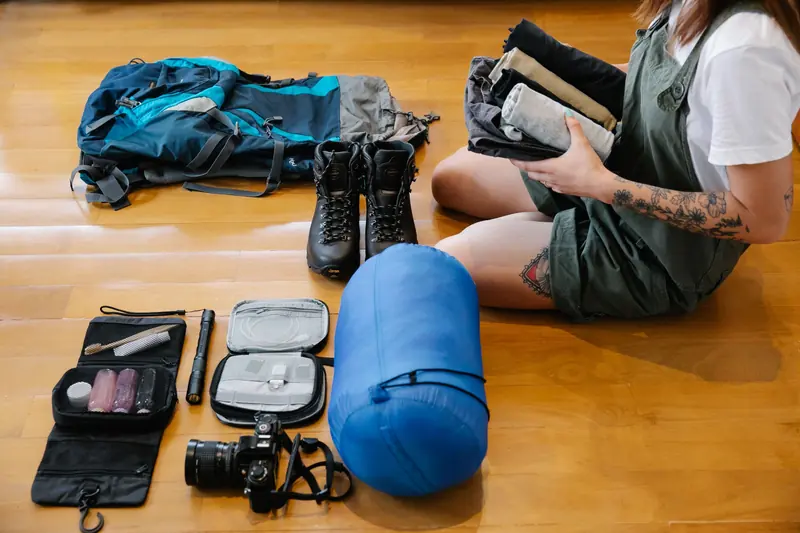
There are two ways to pack badly for camping. One is the car that holds everything you own, with the tent buried at the bottom and the headlamps in a bag somewhere in the middle. The other is the backpack that is too heavy to carry, because every “just in case” item went in. Both come from packing by item instead of by plan.
This guide gives you a plan. You will build a list, sort gear by job, load the car in the order you will unpack it, and test a loaded backpack before you trust it. It also covers where food and trash go, since those are the items you must secure first when you arrive. For the full item list, the Planner builds one from your trip details.
One note on numbers: none of the official pages used here give a weight limit for a pack, so this guide gives none. The loaded test hike NPS recommends tells you more than any formula.
Start with a list, then trim it
The Bureau of Land Management (BLM) suggests bringing only what you need for comfort and safety, and checking the site description to see what is provided. Fill the gaps with your own gear. Recreation.gov and BLM both advise using a checklist and favoring items that do more than one job. The National Park Service (NPS) says to make a gear list for backcountry trips, too.
Check the campsite’s amenities first. NPS says a frontcountry site usually has a picnic table and fire ring, and some have a tent pad. If a table is there, you can skip the folding one. If water is on site, you carry less. Recreation.gov suggests one chair per group member, plus a table if you need one for food prep.
If you are new to planning, how to plan your first camping trip covers the steps before packing.
Pack the car by job and order of use
The simplest method is bins. Sort gear into groups, one bin or bag for each, and label them. Load the car so the first things you need are the easiest to reach.
| Group | What goes in | Where it rides |
|---|---|---|
| Arrival | Headlamps, water jug, tent bag, groundcloth | Last in, so it comes out first |
| Shelter | Tent, rainfly, poles, stakes, mallet | Near the door |
| Sleep | Pads, bags or quilts, pillows | Soft items fill gaps |
| Kitchen | Stove, fuel, pots, utensils, wash basins | One bin, lid on |
| Food | Dry food in a lidded bin, cooler separate | Easy to move to storage |
| Clothing | One bag per person, rain gear on top | Anywhere stable |
| Comfort | Chairs, table, games | Sides of the trunk |
NPS says it is one of the first jobs at a frontcountry campground to fill the water jug, so keep it handy. The pieces needed in the first hour, like light and the tent, should not be under the cooler.
A two-night car trip for two adults and one child. Six bins or bags: shelter, sleep, kitchen, dry food, cooler and one shared clothing bag per person. Chairs and water jug go in last. The arrival bag holds headlamps, a lighter, trash bags and a first-aid kit, and rides by the back door. At the site, the tent bag comes out first, then the food bin goes straight to storage.
Pack a backpack for balance and access
Backpacking adds weight and distance, so the rules tighten. NPS says to make a gear list, know how to use everything, check that it works, and try on your pack and boots on a test hike to make sure they fit correctly. Its camp safety page says to practice packing and carrying a fully loaded pack before the trip.
A common approach, not an official rule, is this:
- Put heavy items close to your back and near the middle, where they feel steadier.
- Put bulky, light items such as a sleeping bag lower in the pack.
- Keep things you will need during the day near the top or in outside pockets: rain jacket, snacks, water, light.
- Keep food and other scented items together and easy to reach, since you must store them properly at camp.
NPS suggests that dry foods such as rice and pasta save space and weight, and that packaging that flattens beats jars and cans. It also says backcountry campers may need a waterproof bag to hang food, or a canister, so check the park’s rules before you load. The distinctions between trip styles are in types of camping explained.
Pack food, trash and scented items to secure fast
NPS says to secure food, garbage and other scented items as soon as you arrive at your campsite, and never to store food in your tent or backpack. Pack so this takes a minute, not an hour. Put everything that smells, including toiletries, in one bin so it moves in one trip.
Remove excess packaging at home. NPS says to flatten boxes and plastic wrap, which makes packing out garbage easier, and to reuse sealable bags as waste bags. In parks where food may stay in a vehicle, NPS says to keep it out of sight with windows closed, and to clear wrappers and crumbs. Other parks require lockers, so check first. The rules are explained in camping food storage, and the trash habits in pack it in, pack it out.
Carry a spare trash bag in the arrival bin.
Let the family pack and run a practice
NPS suggests letting a child help pack and ask what clothes they will need for hot days and cold nights. For older kids, it recommends making a packing list, or you might end up with no clothes but an assortment of toys. See camping with kids.
Then rehearse. Pack the car the day before, check that you can reach the arrival bin, and test the stove, lantern and tent. NPS says to test that equipment works and that you have the right parts, such as the right fuel for a stove. If you have never camped, NPS suggests backyard camping as a test run. See backyard camping.
Common mistakes
- Packing by item, not by job. You cannot find anything.
- Burying the tent. Load it where it comes out first.
- Skipping the test. Stoves with the wrong fuel and tents with missing poles show up at the site.
- Overstuffing the pack. Take it on a test hike before the trip.
- Leaving food loose in the car. Pack it in a bin you can move quickly.
- Forgetting trash bags. You pack out what you pack in.
Frequently asked questions
How much should a backpack weigh?
No official page used here gives a number. NPS says to practice packing and carrying a fully loaded pack before the trip, and to take a test hike to check the fit.
What is the easiest way to organize camping gear?
Use labeled bins or bags by job: shelter, sleep, kitchen, food, clothing and comfort. Load the car so arrival items come out first.
Should you bring everything on the checklist?
No. BLM says to bring only what you need and to check what the site provides. Use multi-purpose items and trim the rest.
Where should food go in the car?
It depends on the park. NPS says some parks allow food in a vehicle, out of sight with the windows closed and only in daylight, while others require lockers. Check before you go.
Next step: build your checklist
Open the Planner, enter your trip type, nights and group size, and print the list. Then pack the car once at home to test the system.
Sources
Official pages used for this guide. Rules vary by place and change often, so check the page for your campground before you go.
- What to Bring, National Park Service. Accessed November 6, 2026.
- Before the Trip (camp safety), National Park Service. Accessed November 6, 2026.
- Backcountry Camping, National Park Service. Accessed November 6, 2026.
- Cooking in Camp, National Park Service. Accessed November 6, 2026.
- Bear Safety: Storing Food, National Park Service. Accessed November 6, 2026.
- Camping With Kids, National Park Service. Accessed November 6, 2026.
- Pitch Perfect: A Beginner's Guide to Camping Adventures, Bureau of Land Management. Accessed November 6, 2026.
- Ten Tips for First-Time Tent Campers, Recreation.gov. Accessed November 6, 2026.
Keep reading
Gear and Camp Setup
How to Clean, Dry and Store Camping Gear
Unpack, dry, clean, inspect and store your gear after each trip so it stays fresh and ready for the next one.
Gear and Camp Setup
Tent Types Explained: How to Choose Shelter for Camping
Dome, tunnel, cabin and A-frame tents compared, with simple rules for matching a tent to your trip.
Gear and Camp Setup
How to Pitch a Tent Step by Step
Six simple steps to pitch a tent, plus how to choose the spot, handle wind and practice at home first.