Food Storage at the Campsite: Protecting Food and Wildlife
Learn what counts as food, how storage rules differ by campground, and a simple routine that keeps your food, trash and wildlife apart.
On this page
You pull into your campsite, unload the car, and set the grocery bags on the picnic table. Then you spot a storage box near the site. Is that for you? Does the cooler go in it? What about the toothpaste, the trash bag and the dog’s food bowl? Food storage is one of the first rules beginners meet, and it is easy to get wrong on day one.
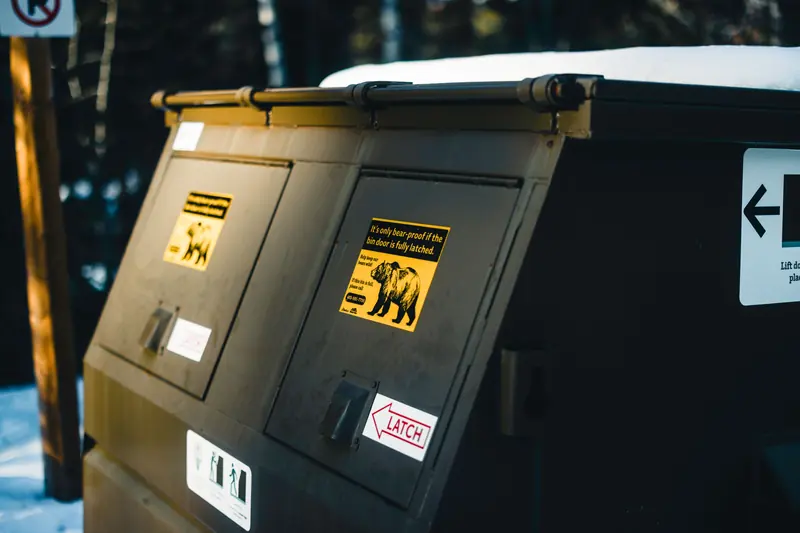
The right method depends on where you camp. Some campgrounds give you a metal box at each site. Some say to use your closed car. Backcountry areas may require a locked canister. This guide explains what counts as food, how to find the rule for your campground, and a routine for the whole trip.
No storage method guarantees that animals will leave your site alone. Follow the posted rule, keep the site clean, and treat storage as a habit, not a one-time step. For wildlife behavior itself, see wildlife at the campsite.
What counts as food
Food storage rules cover more than groceries. The National Park Service says scented items count as food, including canned goods, drinks, toiletries, sunscreen, bug repellent, fuel, ice chests, and cooking or eating items. Trash and food scraps need to be stored too. One national park campground handout defines food as food, drinks, toiletries, cosmetics, pet food and bowls, or any other scented items.
| Group | Examples | Handle it like food? |
|---|---|---|
| Food and drinks | Groceries, snacks, canned goods, leftovers, drinks | Yes |
| Trash and scraps | Wrappers, food scraps, tea bags, coffee grounds | Yes |
| Personal care | Toothpaste, sunscreen, bug repellent, cosmetics | Yes |
| Cooking gear | Coolers, dirty stoves and grills, used pots and dishes | Yes, until washed |
| Pet items | Pet food, food bowls | Yes |
The cooking gear row comes from the same handout, which says coolers, dirty stoves, grills, and non-disposable tableware and cookware must be washed or stored the way food is. It is one campground’s wording. Your campground may phrase it differently, so read the posted rules.
How storage rules differ
The National Park Service says regulations vary by park and by the bears present. Some parks require food lockers or bear canisters. Others allow food hung in a bag from a tree. In frontcountry campgrounds, the agency notes that some require food to be stored in special boxes.
| Method | What the official pages say |
|---|---|
| Food storage box or locker | Required at some campgrounds. At one Zion National Park campground, food must be in the box provided or inside your vehicle. |
| Closed vehicle | Some parks allow food in a car if it is out of sight, all windows are fully closed, and it is daylight. Never store food in a truck bed or strapped outside a vehicle. Other parks require lockers. |
| Hard-sided container | A Zion handout allows food in a vehicle or secured in a hard-sided container. |
| Locked canister | Backcountry rule at some parks. The NPS says to keep canisters locked and 100 feet (30 m) or more from your campsite. |
Violations can bring fines, confiscated food, towed cars or other penalties, the National Park Service warns. A Shenandoah National Park campground guide says improperly stored food may be collected.
To find your rule, check the park or campground page before you go, then ask the camp host on arrival. If you are still choosing a campground, national park camping explains how those campgrounds work.
A routine for the whole trip
- Before you leave home. Look up the rule. Pack food in airtight bags, containers and coolers, which the National Park Service says preserves freshness and limits odors that attract wildlife and insects.
- When you arrive. Secure food, garbage and scented items as soon as you reach your campsite. Clear the car of wrappers, crumbs (including in baby seats), baby wipes, and canned food and drinks.
- At meals. Keep food within arm’s reach and do not turn your back on it. Never leave food or drinks unattended at a campground.
- After meals. Wash dishes right away and put food away. Do not burn leftovers, tea bags or coffee grounds, because campfires usually are not hot enough to burn them completely. See cleaning up after camp meals.
- At night. Do not store food in your tent or backpack. Check the table, the stove area and the cooler.
- When you leave. Pack out your trash unless the campground has bins. Pack it in, pack it out covers the details.
- Rule for this campground checked
- Food, trash and scented items put away on arrival
- Car cleared of crumbs and wrappers
- Cooler stored the same way as food
- Dishes washed and stored
- Nothing in the tent
Coolers, trash and pets
The ice chest is on the National Park Service list of scented items, so the cooler goes where the food goes. Packing it well is a separate skill; see packing a cooler. Trash follows the food rule too. At Zion’s Watchman Campground, the handout says garbage should be secured in the same way as food or put in the receptacles provided. Pet food and bowls attract wildlife, according to a Shenandoah campground guide, which says to keep them in a locked vehicle when not in use.
The Leave No Trace principles, as published by the National Park Service, say never to feed animals. Feeding harms their health and changes their natural behavior. Storing food and trash securely protects both your food and the animals.
Common mistakes
- Assuming the car always works. Some parks allow it only under conditions, such as closed windows and daylight, and others require lockers.
- Forgetting toiletries. Toothpaste and sunscreen count.
- Food in the tent. Even a snack bar can break the rule.
- Leaving the cooler out. It is a scented item.
- Crumbs in the car. Check baby seats and door pockets.
- Burning leftovers. Partly burned food still attracts wildlife.
- Treating a method as a guarantee. Keep the whole site clean as well.
Frequently asked questions
Can you leave food in the car overnight?
It depends on the park. Some allow it if food is out of sight, windows are fully closed and it is daylight. Others require food to go in lockers. Check the campground page and ask the camp host.
Do toiletries need to be stored with food?
Yes, in the National Park Service and Zion examples. Toiletries, sunscreen and bug repellent are on the scented-items lists.
Do all campgrounds have food storage boxes?
No. The National Park Service says some frontcountry campgrounds require special boxes, and others do not. Confirm before you pack.
What if your campground has no box and no rule listed?
Ask the camp host or ranger. One Shenandoah campground guide says to use the boxes when provided and otherwise keep food and scented items in a locked vehicle. That is one park’s rule, not a universal one.
Next step: add your storage rule to your checklist
Write the storage rule for your campground at the top of your packing list. The Pitch & Pack Planner is a good place to keep it, along with the rest of your camp kitchen setup.
Sources
Official pages used for this guide. Rules vary by place and change often, so check the page for your campground before you go.
- Storing Food in Bear Country, National Park Service. Accessed November 6, 2026.
- Cooking in Camp, National Park Service. Accessed November 6, 2026.
- Frontcountry Camping, National Park Service. Accessed November 6, 2026.
- Leave No Trace Seven Principles, National Park Service. Accessed November 6, 2026.
- Watchman Campground Map and Regulations (Zion National Park), National Park Service. Accessed November 6, 2026.
- Lewis Mountain Campground Map and Guide (Shenandoah National Park), National Park Service. Accessed November 6, 2026.
Keep reading
Camp Cooking and Campfires
Camping Meal Planning for Beginners
A simple five-step method to plan camp meals by day and by person, with a planning table and a checklist for your first trip.
Camp Cooking and Campfires
Easy No-Cook Camping Meals
No-cook camp meal ideas by time of day, a sample two-night menu, and the USDA cold-food rules for perishable foods.
Camp Cooking and Campfires
Packing a Cooler: Food Safety on a Camping Trip
Pack a cooler the USDA way: cold sources, packing order, raw meat placement, a thermometer and the 40°F (4°C) rule.