Safety, Weather and Leave No Trace
Wildlife at the Campsite: Following Official Guidance
What the National Park Service says about distance, food and feeding, and how to find the wildlife rules for your campground.
On this page
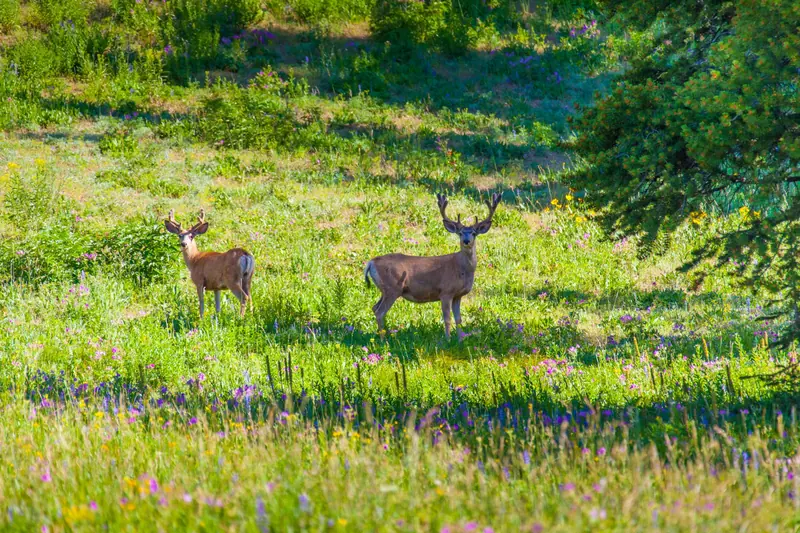
The deer at the edge of your campsite looks calm. The squirrel on the picnic table looks friendly. Neither is a pet. A campground sits inside animal habitat, and the animals were there first. Most trouble between campers and wildlife starts with food, closeness or a sense that the animal is tame.
This article does not teach you how to handle an animal encounter, a bite or an injury. That advice belongs to the people who manage the land, and their pages are listed under sources. What you get here is the other half: how to read the official guidance before you arrive, and the habits that keep animals wild and your camp quiet.
The National Park Service (NPS) puts it simply on its wildlife page. Leave animals alone: no touching, no feeding, no harassing. Visitors are responsible for their own safety and for the safety of the animals.
The rules that show up in almost every park
Three ideas repeat across NPS pages.
- Keep your distance. Wildlife in parks is wild and can be unpredictable when disturbed or surprised.
- Never feed wildlife. NPS says it is illegal to feed, touch, tease, frighten or intentionally disturb wildlife. On its camping safety page it says not to feed wildlife under any circumstances, because fed animals can become persistent and sometimes violent.
- Keep food and trash away from animals. Food draws wildlife to your site, and animals watch for spilled or unattended food.
State parks and national forests set their own rules, so check each one. The Leave No Trace principles list “respect wildlife” as one of seven.
How far is far enough
NPS says many parks require a minimum of 25 yards (23 m) from most wildlife and 100 yards (91 m) from predators such as bears and wolves. It also warns that the numbers vary, and gives one example: Olympic National Park requires 50 yards (46 m). Treat those figures as examples of a pattern, not as your park’s rule.
Two NPS tips help you judge distance without a tape measure:
- Bus lengths. Seventy-five feet (23 m) is about two bus lengths.
- The thumb test. Hold your arm straight and raise your thumb. If your thumb cannot cover the animal, you are too close.
NPS gives a plainer test as well: if an animal reacts to you, you are too close. Use binoculars or a zoom lens, and move back if wildlife approaches. If you find yourself too close, NPS says it is your responsibility to slowly back away and keep your distance. For anything beyond that, such as a bear approaching, read the NPS bear pages before the trip.
Food, trash and scented items
Bears get most of the attention, but food discipline protects every animal. NPS says bears treat anything with a scent as food. Its list includes canned goods, drinks, soap, cosmetics, toiletries, trash, ice chests, sunscreen, bug repellent, fuel and the items you use to prepare or eat meals.
NPS also says the rules differ by park:
- Some parks require food lockers or bear-resistant containers. Others allow hanging food in a bag.
- In some parks you may store food in a closed car, out of sight, only during daylight hours. In others, all food must come out of the car and go into lockers.
- Breaking the rules can mean fines, confiscated food or a towed vehicle.
Habits that appear on NPS pages for campgrounds:
- Keep food within arm’s reach at a picnic area and do not turn your back on it.
- Secure food, garbage and scented items as soon as you reach the campsite.
- Do not store food in your tent or backpack.
- Wash dirty dishes right away.
- Do not burn leftover food, tea bags or coffee grounds. NPS says most campfires are not hot enough to burn them completely, and partly burned scraps still draw animals.
- Put food packaging and scraps in a waste bag and carry it to the campground receptacle before you leave camp or go to bed.
For setup details, see food storage at the campsite and cleaning up after camp meals.
Where to find the rules for your campground
Distances, food storage and fines are local. This table shows where to look.
| Where | What you will find |
|---|---|
| Park website, “Learn About the Park” section | The Superintendent’s Compendium, the park’s rule book, often under “Laws and Policies” |
| Campground page on Recreation.gov | Notices about food storage, trash and other campground rules |
| Visitor center or campground host | Current wildlife activity and alerts |
| Signs and lockers at the campsite | Local food storage rules |
NPS also says that if you cannot find the information online, you can stop by the visitor center and ask a ranger. For how campgrounds work inside national parks, see national park camping.
Common mistakes
- Treating a calm animal as a tame one. NPS says animals in parks are not pets and are not cared for by staff.
- Getting close for a photo. NPS says that if you are close enough for a selfie, you are definitely too close.
- Leaving a cooler or snack in the car without checking the park’s rule. Some parks require lockers instead.
- Feeding “just a little.” NPS says feeding changes animal behavior.
- Letting a dog roam. NPS says pets must be restrained at all times, and in bear country dogs can attract curious bears, which often leads to conflict that endangers both pet and owner.
- Using one park’s distance everywhere. Read the page for the place you are visiting.
Frequently asked questions
Is it really illegal to feed wildlife at a campground?
In national parks, yes. NPS says it is illegal to feed, touch, tease, frighten or intentionally disturb wildlife. Other land managers set their own rules, so check the page for your campground.
How far should you stay from a bear?
NPS says many parks require 100 yards (91 m) from bears and wolves, but each park sets its own number. Look for it in the park’s rules before you go.
Can you keep food in your car at a campground?
It depends on the park. NPS says some parks allow food in a closed car, out of sight and during daylight only, while others require lockers. Check the campground page before you pack.
What if you have kids with you?
Agree on the rules before you reach the campsite. The camping with kids article covers planning for families. The NPS Junior Ranger planning tips say the same thing in kid terms: keep a safe distance, don’t touch and don’t feed.
Next step: write down your campground’s wildlife rules
Open the campground page and the park’s rules page. In your Planner, note the viewing distance, the food storage method and who to ask. Add a line for trash. Then pack the right containers.
Sources
Official pages used for this guide. Rules vary by place and change often, so check the page for your campground before you go.
- Watching Wildlife, National Park Service. Accessed November 6, 2026.
- I Didn't Know That! Leave No Trace Principle #6 - Respect Wildlife, National Park Service. Accessed November 6, 2026.
- Bear Safety: Storing Food, National Park Service. Accessed November 6, 2026.
- Bears, National Park Service. Accessed November 6, 2026.
- Camping Safely Step 3 - During Your Stay, National Park Service. Accessed November 6, 2026.
- Frontcountry Camping, National Park Service. Accessed November 6, 2026.
- Plan Your Adventure Like a Junior Ranger, National Park Service. Accessed November 6, 2026.
- Mather Campground, Grand Canyon National Park (example of campground notices), Recreation.gov. Accessed November 6, 2026.
Keep reading
Safety, Weather and Leave No Trace
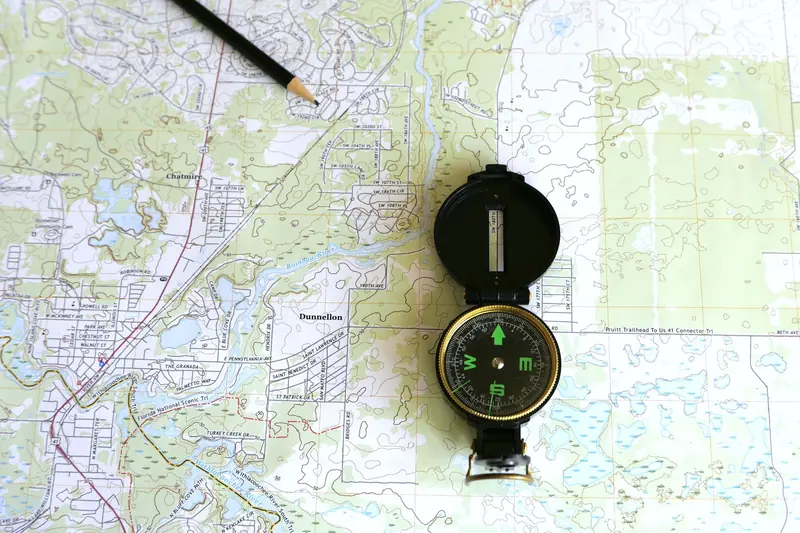
Basic Navigation for Campers: Maps and Landmarks
How to use official park maps, landmarks, a topographic map and offline maps so you can find your way around camp.
Safety, Weather and Leave No Trace
Quiet Hours and Campground Respect
Where to find your campground's quiet hours, what counts as noise, and simple habits that keep neighbors comfortable.
Safety, Weather and Leave No Trace
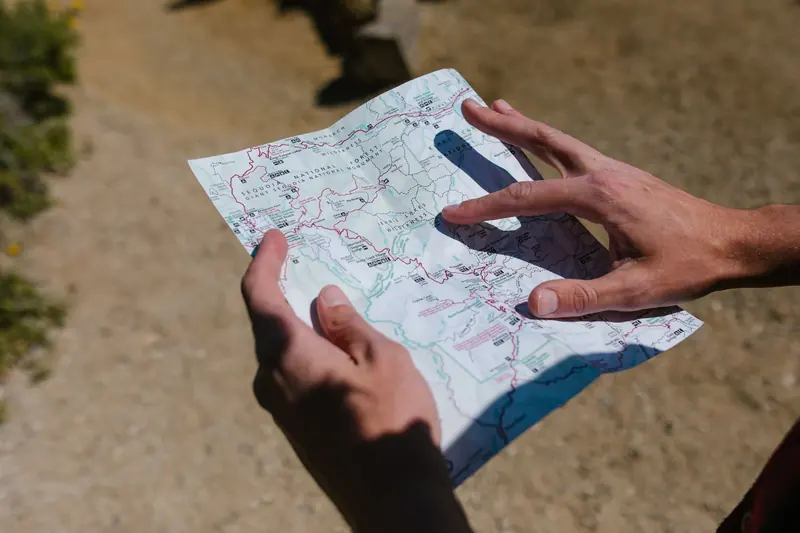
Tell Someone Your Plan: A Simple Trip Itinerary
A one-page trip plan for a trusted contact: what to write, who should hold it, and what they do if you are not back on time.