Safety, Weather and Leave No Trace
Camping With Kids: Planning for Comfort and Safety
Plan a family camping trip with comfort and safety in mind, using National Park Service pages for kids and campers.
On this page
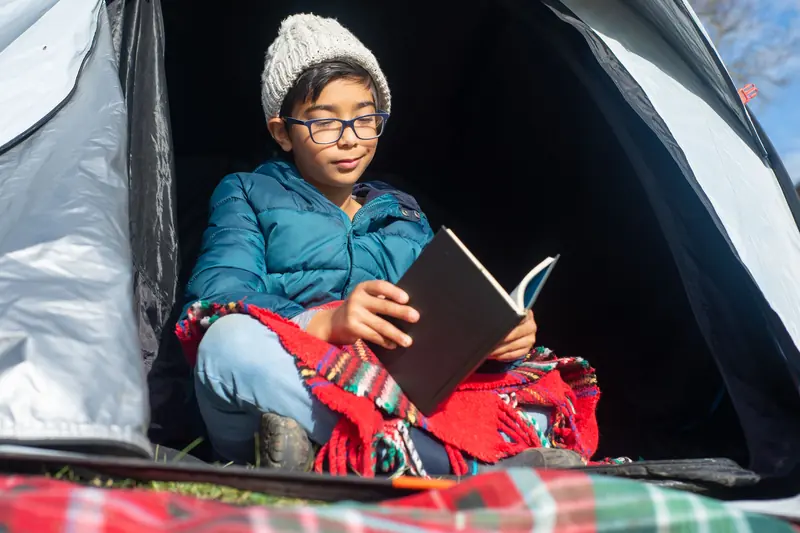
Camping with kids changes the trip. The hikes are shorter, the snacks are constant, and someone needs the bathroom at 2 a.m. The good news is that most of the work happens before you leave. A family that has picked a realistic plan, packed the right layers and given everyone a job tends to have a calmer weekend.
This article uses National Park Service (NPS) pages to plan for comfort and safety: expectations, packing, jobs, a campsite check and a simple way to keep the group together. A two-night trip for two adults and one child is a good picture to keep in mind.
It does not give medical advice, first aid or guidance on a child’s health. For those questions, talk to a doctor. NPS says the same in its camping safety pages: ask a health professional about fitness, health conditions and medications. If something goes wrong on the trail, the NPS Outdoor Emergency Plan page in the sources is the place to start.
Set expectations before you leave
NPS is frank about it: your first, second or even tenth trip with kids may not go as planned. It lists muddy hands and faces, s’mores in hair, a leaky tent and a late-night bathroom trip. Knowing that in advance makes the bumps easier to handle.
Build slack into the plan:
- Keep the trip short. The first camping trip length guide helps you choose.
- Practice at home. NPS suggests a fully loaded test run and backyard camping for new campers. The backyard practice run is a good rehearsal for kids too.
- Pick a backup plan. The NPS Trip Planning Guide says weather changes, areas close and people are not always up for the plan. Choose a backup activity so you do not have to cancel the trip. Indoor options such as park museums count.
- Balance the day. NPS notes that a full day of camping can tire adults too. Schedule activities everyone likes, with time to rest.
Pack for comfort and share the work
NPS suggests letting kids help pack. They get a say, and you can teach them what to bring and what to leave at home. For older kids, write a list, or the bag may hold toys and not clothes. Let each child pick one or two special items. Pack clothes that layer, so a child can shed a layer in the heat and add one in the cold. The layering guide and the sleep system guide cover the rest.
Jobs keep kids busy and help the camp run. NPS gives examples:
| Who | Jobs NPS suggests |
|---|---|
| Little ones | Gather kindling where the rules allow it, fill water bottles |
| Older kids | Prepare food, wash dishes, set up their own tents |
| Kids at the fire | Cook food on a stick, such as marshmallows and hot dogs, once you have read the campground’s fire rules |
For fire, check the campground rules first. Campfire rules and fire restrictions explains how to find them. NPS also says that hikes with kids go better when you choose family-friendly nature trails, expect a lot of stopping and going, and let kids carry their own snack. Some parks lend activity packs at the visitor center, and many run Junior Ranger programs.
Scan the campsite for safety
Do a short safety walk when you arrive, while it is still light. NPS advice for campsites translates well to families.
- Walk the boundaries of the site together and point out the edges
- Remove sticks, rocks, pinecones and other tripping hazards, especially near the cooking area
- Keep tent stakes and lines out of high-traffic paths
- Place the tent on level ground, not in a low spot, and at a safe distance from the fire ring and cooking area
- Look up for dead branches and look around for flood-prone ground
- Store food and scented items the way the campground requires, and keep food out of the tent
- Pick a meeting spot every child can describe
NPS notes that sparks can melt holes in a tent, and that a campsite should keep the tent, cooking area and eating area apart. It also lists flash flooding, lightning, wind and dead trees or branches as hazards to check before you set up.
For night trips to the bathroom, NPS advice is to make camp before dark and learn the terrain by day. If you must leave camp after dark, stay in areas you have seen in daylight, go with a companion, and use a headlamp. A child’s bathroom trip counts as leaving camp, so go along. The campsite setup guide shows where each zone goes.
Two more points from the official pages:
- Wildlife. NPS says never to feed wildlife under any circumstances, and not to bring food into the tent. The wildlife guide covers distance and food rules.
- Cars. The National Weather Service says it is never safe to leave a child, a disabled person or a pet locked in a car, even in winter.
Keep the group together
NPS gives kids a short list in its Junior Ranger planning page: know the route, stay with your group, and take a buddy if you need to leave the group. Its trip planning pages add a few more habits:
- Pack a whistle for each person, especially with kids, if you decide to use them.
- Pick a meet-up spot on your hike, make sure everyone knows it, and find it on the map together.
- Take a group photo to record what everyone is wearing.
- Wear bright clothing that is easy to see.
- Set a pace that works for everyone, and check in often.
For the plan you leave at home, see tell someone your plan.
Common mistakes
- Planning for adult speed. NPS reminds adults that little legs are shorter and need stops.
- Packing without the kids. They are more likely to carry what they chose.
- Skipping the site scan. Hazards are easiest to spot before dusk.
- Cooking in the tent area. Keep cooking, eating and sleeping spaces apart.
- Forgetting rest. A tired family has a shorter fuse.
- No backup plan. One rainy day can end a trip that had no Plan B.
Frequently asked questions
What is a good first trip with kids?
Keep it short and simple. NPS suggests family-friendly nature trails and planned down time, which fits an easy weekend.
How do you keep young kids busy at camp?
Give them jobs and activities. NPS suggests small tasks like gathering kindling, plus cooking food on a stick, hiking short trails, watching wildlife with binoculars, and Junior Ranger programs.
How can you keep kids from wandering?
Set boundaries when you arrive, and agree on a meeting spot. NPS also says to stay together, use a buddy system and consider a whistle for each person.
Should kids have their own tent?
NPS says older kids can set up their own tents, as part of age-appropriate jobs. Whether to separate is your call, based on age and the campground rules.
Next step: make a family checklist
Open the Planner and add three lists: what each child packs, the jobs for each person, and the safety walk for your first hour at camp. Print it and keep it in the car.
Sources
Official pages used for this guide. Rules vary by place and change often, so check the page for your campground before you go.
- Camping with Kids, National Park Service. Accessed November 6, 2026.
- Camping Safely Step 1 - Before the Trip, National Park Service. Accessed November 6, 2026.
- Trip Planning Guide, National Park Service. Accessed November 6, 2026.
- Plan Your Adventure Like a Junior Ranger, National Park Service. Accessed November 6, 2026.
- Camping Safely Step 3 - During Your Stay, National Park Service. Accessed November 6, 2026.
- Finding and Setting Up a Campsite, National Park Service. Accessed November 6, 2026.
- Outdoor Emergency Plan, National Park Service. Accessed November 6, 2026.
- Heat Safety, National Weather Service. Accessed November 6, 2026.
Keep reading
Safety, Weather and Leave No Trace
Pack It In, Pack It Out: Trash and Waste at Camp
What to carry out, where trash and wastewater go, and how to handle human waste, based on National Park Service guidance.
Safety, Weather and Leave No Trace
Leave What You Find: Plants, Rocks and Historic Sites
Why plants, rocks and artifacts stay where they are, what the law says about historic sites, and what to do if you find an artifact.
Safety, Weather and Leave No Trace
The 7 Leave No Trace Principles for Campers
The seven Leave No Trace principles in plain English, with what each one means at a campground.