Tent Types Explained: How to Choose Shelter for Camping
Dome, tunnel, cabin and A-frame tents compared, with simple rules for matching a tent to your trip.
On this page
Search for a tent and you will find domes, tunnels, cabins and A-frames, often in the same size range. The names describe the shape, and the shape changes how much room you get, how much the tent weighs and how it behaves when the weather turns. Pick badly and you spend the night bumping into walls, or you haul a bag far heavier than the trip needs.
This guide sorts the common types of tents in plain terms. You will get a comparison table, a simple way to read size ratings, and a checklist of features worth finding on the label. It also covers what no tent can do, which matters as much as the shape.
Gear details here are general. The National Park Service (NPS) makes only a few firm statements about tents, so this article marks which points are official and which are common patterns. If you have not picked a trip yet, start with how to plan your first camping trip.
The main tent types at a glance
NPS says tents come in many sizes and shapes. The table covers the five you will meet most often. Read the strengths and trade-offs as general patterns, not promises, because individual tents vary a lot.
| Type | Shape | Usual strengths | Usual trade-offs | Often a good fit |
|---|---|---|---|---|
| Dome | Crossing poles form a rounded shell | Good room for the weight, familiar setup | Sloping walls cut headroom at the edges | First trips, car camping, short hike-ins |
| Tunnel | Curved poles form a long, low arch | Plenty of floor length for the weight | Needs stakes and guy lines to hold its shape | Car camping where stakes go in easily |
| Cabin | Near-vertical walls and a tall roof | Standing room, easy to move around | Often heavier and bulkier to pack | Families at drive-up campgrounds |
| A-frame | Ridge line held up by a pole at each end | Simple design with few parts | Steep sides leave little headroom | Short, simple trips for one or two |
| Pop-up | Pre-bent frame springs open | Opens in seconds | Folding it back takes practice | Quick overnights near the car |
Dome tents and how size ratings work
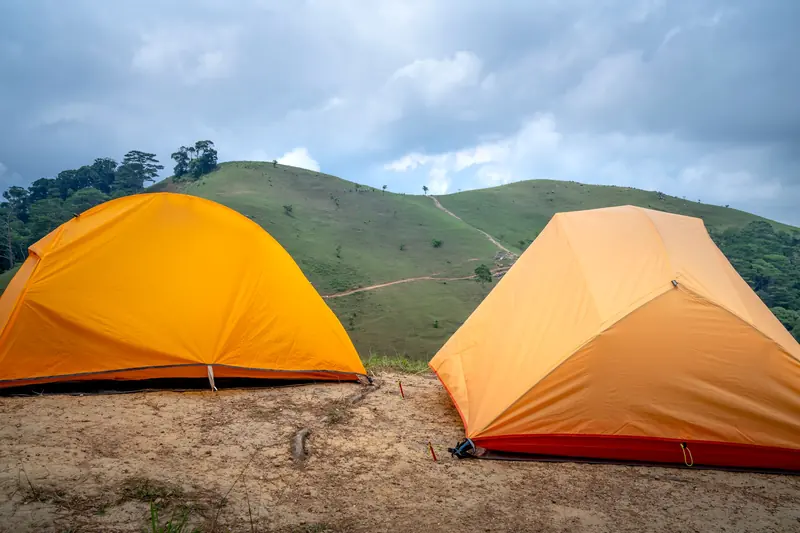
NPS says dome tents are popular because they offer the most interior space with the least amount of material, which saves weight if you are backpacking. For a first trip, a dome is a sensible default. It suits a car campground, packs small enough for a trunk, and still works if you later try a short hike-in site.
Size ratings hold a trap, and NPS names it: a two-person tent means there is room for two people to sleep inside, not two people and all their gear or pets. The same page adds that it is usually wise not to bring more tent than you need, because extra size means extra weight to carry. Count sleepers first, then decide what else you want inside.
A two-night trip for two adults and one child. Three sleepers fit a three-person tent with little room left. If you also want a duffel bag inside and space for a rainy-day card game, look at the next size up. If gear can stay in the car, the smaller tent is fine.
Some campsites also have a tent pad. NPS describes it as a spot typically lined with wood and filled with gravel for rain drainage. Before you commit to a big cabin tent, read the site listing for tent pad details and equipment rules, as Recreation.gov advises.
Match the tent to your trip
Car camping. Weight matters less, so room and headroom can lead your choice. A large dome or a cabin tent works well at a drive-up site. See car camping for beginners for the wider setup.
Backpacking. Weight and packed size lead. NPS tells backcountry campers to make a gear list, learn how to use everything, check that it works, and take a test hike with a loaded pack. A dome or another light shape fits that plan. Trip styles are compared in types of camping explained.
Cold, wet or windy seasons. NPS tells backcountry campers to be ready for extreme temperatures, lightning, and wet or windy conditions. A tent label tells you what the maker designed the tent to handle. Read it as a starting point, then check the forecast with how to read a weather forecast before you camp. A tent with a lot of mesh moves air well on warm nights. A tent with more solid fabric blocks more wind. Many mix both. For colder months, see off-season camping.
What no tent can do
A tent shelters you from rain, sun, wind and insects. It does not cover everything.
- Lightning. The National Weather Service (NWS) says a tent offers no protection from lightning, and that a tent and a picnic shelter are not safe places during a thunderstorm. Its example tells campers to go to a vehicle and wait 30 minutes after the last rumble of thunder.
- Fuel-burning equipment. The Consumer Product Safety Commission says not to use portable heaters or lanterns while sleeping in enclosed areas such as tents, campers and other vehicles. Keep camp stoves, heaters and lanterns outside your tent.
- Food storage. NPS says not to store food in your tent or backpack. The rules are in camping food storage.
- Fire. NPS warns that sparks can melt holes in a tent or ignite it, so keep a safe distance from the fire ring.
Check the label, then test the tent
- A rainfly that covers the tent body, not just the roof
- A floor and seams the maker describes as waterproof
- Vents or mesh panels for airflow
- A door and floor layout that suits the number of sleepers
- Packed size and weight that match how you will carry it
- A groundcloth or footprint made for the tent, or a plan to use a tarp
- Written setup instructions, since NPS says to follow the manufacturer’s instructions
Recreation.gov advises testing all gear before the trip, including a trial setup of the tent at home, so you do not spend hours learning it at the campsite. NPS says the same: practice at home so you are a pro when you arrive. The steps are in how to pitch a tent step by step, and a full rehearsal is in backyard camping. If you rent or borrow a tent, open it once, count the poles and stakes, and check for tears.
Common mistakes
- Trusting the number on the box. The rating counts sleepers, not sleepers plus gear.
- Buying the biggest tent “just in case.” More tent means more weight, and a big tent may not fit the pad.
- Skipping the practice setup. The first pitch should not happen in fading light.
- Treating the tent as a storm shelter. See the lightning point above.
- Leaving out the groundcloth. NPS says a footprint or a waterproof tarp can go under the tent. If you use a tarp, fold the extra under so it does not collect water.
Frequently asked questions
What is the best tent type for a beginner?
A dome is a safe default. NPS says dome tents offer the most interior space for the least material. The best tent is the one that fits your group, your trip and the way you will carry it.
Do you need a footprint or groundcloth?
NPS says some tents come with one. If yours does not, a waterproof tarp also works. Fold any extra tarp under the tent, or it will collect water instead of repelling it.
Can you use a hammock instead of a tent?
NPS says covered waterproof hammocks save weight and space, but you need trees. It also notes that many parks do not allow you to tie ropes to trees, so check park rules first.
Next step: build your checklist
Pick your trip type, nights and group size in the Planner and it lists the shelter items to pack. For the rest of the category, browse Gear and Camp Setup.
Sources
Official pages used for this guide. Rules vary by place and change often, so check the page for your campground before you go.
- What to Bring, National Park Service. Accessed November 6, 2026.
- Finding and Setting Up a Campsite, National Park Service. Accessed November 6, 2026.
- Frontcountry Camping, National Park Service. Accessed November 6, 2026.
- Backcountry Camping, National Park Service. Accessed November 6, 2026.
- Lightning Safety Outdoors, National Weather Service. Accessed November 6, 2026.
- Portable Heaters and Camping Equipment (carbon monoxide), U.S. Consumer Product Safety Commission. Accessed November 6, 2026.
- Ten Tips for First-Time Tent Campers, Recreation.gov. Accessed November 6, 2026.
Keep reading
Gear and Camp Setup
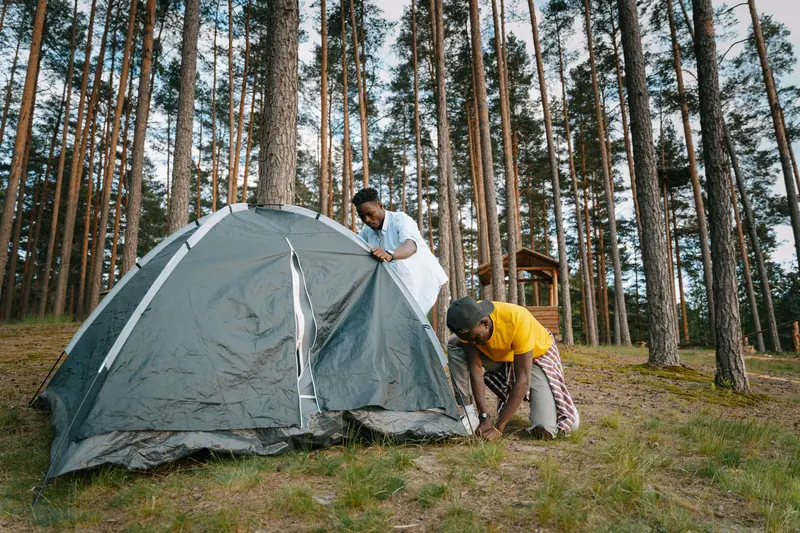
How to Pitch a Tent Step by Step
Six simple steps to pitch a tent, plus how to choose the spot, handle wind and practice at home first.
Gear and Camp Setup
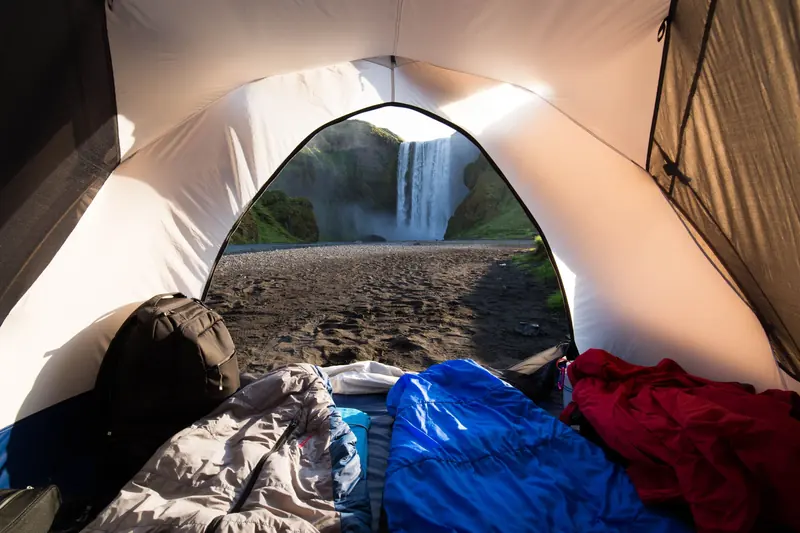
Building a Sleep System: Bag, Pad and Pillow
How the pad, sleeping bag, pillow and sleep clothes work together, and how to match them to the forecast.
Gear and Camp Setup
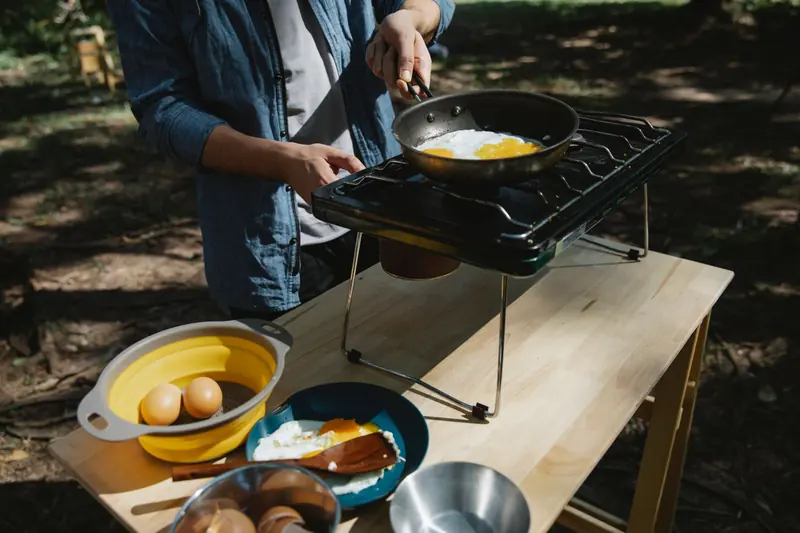
Camp Kitchen Setup: What You Actually Need
Where to put your camp kitchen, the short list of gear you need, and how to handle water, hand washing and cleanup.