Car Camping for Beginners: A Simple Starter Guide
Drive-up camping is the simplest start. See how it works, what the car changes and which campground rules to check.
On this page
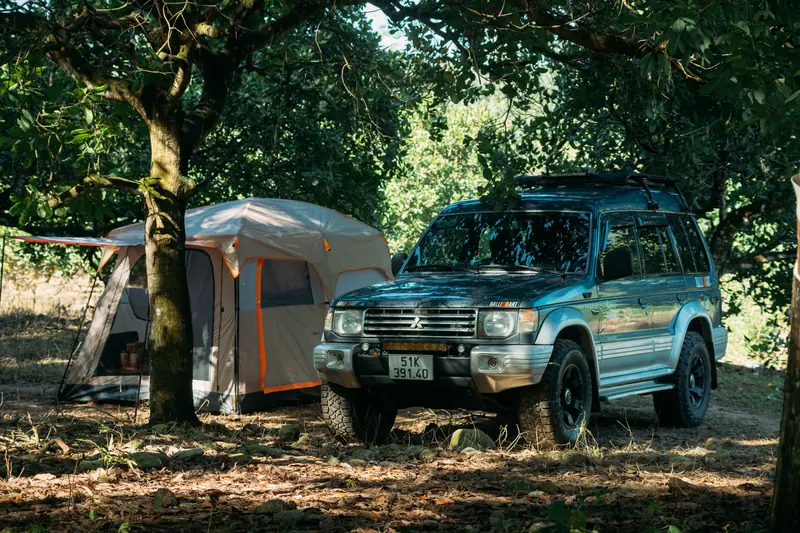
Car camping is the easiest way to start, and the reason is simple: the car carries the gear. You park at your site, unload next to the tent spot, and keep a cooler, a water jug and a real pillow within a few steps. That leaves your attention free for the parts that are new, such as pitching the tent and cooking outside.
It also helps to know what changes from the backpacking trips you may have seen online. Weight and space stop being the main limits. Campground rules, check-in times and neighbors become the main limits instead. This guide covers how a drive-up campground works, how to choose one, how the car changes your packing, and the rules that catch first-timers off guard.
What car camping is, and how it differs from backpacking
The National Park Service (NPS) calls it frontcountry camping, and says most park camping is of this type. You drive to an established campground that has loops, and each loop has many sites for tents and sometimes towed campers and RVs. Backcountry camping goes past the campground and relies on your own skills. The table shows how the two compare, based on NPS guidance.
| Car camping | Backpacking | |
|---|---|---|
| Getting there | Drive to a numbered site with marked parking | Hike or paddle past the campground |
| Facilities | Picnic table at each site, often a fire ring, drinking water spigots, restrooms | Few or none; space is limited |
| Gear | Whatever fits in the vehicle | Smaller, lighter versions of each item |
| Food | A cooler for refrigerated items and a container for the rest | Light, dry foods that are easy to prepare |
| Water | Fill a jug at the campground | Choose a site near a water source |
| Planning | Reserve a site, read the campground rules | Permits, route and distance, itinerary, test hike |
If backpacking is your long-term goal, car camping is a low-stakes way to learn the basics first. Compare all the styles in types of camping explained.
Choose a campground that suits a beginner
Not every campground has the same comforts. NPS says showers are not at every campground, and the ones that exist are generally coin-operated. Some restrooms have flush toilets and sinks, often with cold water only, while primitive campgrounds may have only vault toilets or no water. Some campgrounds have camp stores, but not all, and prices may be high, so bring what you need.
Before booking, read the campground page and check these items, which NPS lists for any site:
- Is drinking water available at the campground?
- Where are campfires allowed?
- What is the group size limit per site?
- Are there showers and flush toilets?
- What are the food storage rules?
- Do you need a reservation?
For a first trip, a campground with water and restrooms near the loop removes several decisions. Sites also differ: tent pads are often wood-lined and gravel-filled for drainage, though some sites lack them. NPS adds that accessible sites, paths and restrooms are available, and recommends checking with the specific park. The guide to national park campgrounds and the one on state park camping show where beginners usually start.
What the car changes about packing
With a vehicle, you can bring comfort items that backpackers cannot. NPS suggests a few choices that make sense for car camping:
- Water: fill a jug first thing at the campground. Collapsible jugs save space but are less durable, and hard-sided jugs are sturdier but take more room.
- Tent: size it for the people sleeping inside, not for gear or pets. NPS says dome tents offer the most interior space for the least material.
- Sleeping pad: foam is bulky, air mattresses are more comfortable but need a compressor, and hybrids combine both.
- Kitchen: a camping stove with fuel, a knife, a cutting board, pots, plates and cups. A cooler holds refrigerated food, and freezing water in a plastic container can keep it cold.
The vehicle is not always your food storage. NPS says requirements vary by park: some allow food in a closed vehicle if it is out of sight and it is daylight, while others require food in lockers. Blue Ridge Parkway, used here as an example, says to keep food, coolers and scented items in a closed vehicle or a solid camping unit and to use food lockers where installed. Read your park’s rule before you leave home. Packing order and car loading are covered in how to pack for camping, and cooking basics are in camp kitchen setup.
Rules that surprise first-timers
NPS says rangers patrol campgrounds for safety and rule compliance, and fines are possible. Common rules include:
- Quiet hours: parks set them, and they cover generators and music. Earplugs may help with noisy neighbors.
- Pets: most park regulations require pets to be leashed and restrained at all times. Blue Ridge Parkway, as one example, allows a leash no longer than six feet (1.8 m).
- Wildlife: please do not feed wildlife, and follow the food storage and disposal rules.
- Driving: obey speed limits and watch for children on bikes and people walking on loop roads.
- Your site: walk your site boundary and keep your tent, cooking area and eating area a safe distance apart.
Also expect little connectivity. NPS says you will not always have a cell signal. Download directions before you leave, and see how to set up a campsite for a layout that works.
Common mistakes
- Packing the whole house. Bring what the plan needs. A car has limits too.
- Buying a tent far larger than needed. NPS says to avoid bringing more tent than you need.
- Assuming the car is safe food storage. Check whether your park requires lockers.
- Booking a primitive campground by accident. Look for water, restrooms and showers on the campground page.
- Arriving with no site plan. Walk the boundary first, then place the tent, kitchen and table.
Frequently asked questions
Do you need special gear for car camping?
No special type is required. The Planner lists shelter, sleep, kitchen and light items by trip type, and the tent types guide explains shelter choices.
Do you need a reservation?
Often, yes. NPS says reservations may need to be made months ahead, often through Recreation.gov, and some sites are first-come, first-served. The guide to reserving on Recreation.gov shows the steps.
How early should you arrive?
Arrive with daylight left. NPS advises making camp before dark and learning the terrain in daylight.
Are fires allowed at every campsite?
No. Each park sets its own rules, and dry or windy conditions may mean a ban. Check the park’s fire rules before you pack firewood.
Next step: build your checklist
Open the Planner and choose the car camping trip type. Enter your nights and group size, and it returns a checklist you can print or tick off on screen. Then read how to plan your first camping trip for the booking order.
Sources
Official pages used for this guide. Rules vary by place and change often, so check the page for your campground before you go.
- Frontcountry Camping, National Park Service. Accessed November 6, 2026.
- What to Bring, National Park Service. Accessed November 6, 2026.
- Finding and Setting Up a Campsite, National Park Service. Accessed November 6, 2026.
- Backcountry Camping, National Park Service. Accessed November 6, 2026.
- Food and Scented Item Storage at Campgrounds, National Park Service. Accessed November 6, 2026.
- Campground Regulations (example park), National Park Service, Blue Ridge Parkway. Accessed November 6, 2026.
Keep reading
Camping Basics
Camping for Couples: How to Plan a Trip for Two
A trip for two works best with a clear task split, a shared pace and a site with space. Here is how to plan each part.
Camping Basics
Camping With Friends: Sharing Plans and Duties
Group trips run on site limits, shared gear and clear duties. Check the rules, then split the plan before you go.
Camping Basics
A Day at the Campground: Your Camp Routine From Morning to Night
How a camp day runs: morning chores, afternoon rest, evening fire care, posted quiet hours and check-out timing.