Camp Lighting: Lanterns, Headlamps and Good Habits
Headlamps, lanterns and tent lights explained, plus red light, spare batteries and courteous habits after dark.
On this page
Dark feels different at a campground. There are no porch lights and no street lamps, and every path looks different once the sun is down. A tent stake you stepped over at noon becomes a tripping hazard at dusk, and the walk to the restroom turns into a guessing game. The right lights fix most of that.
This guide explains the three kinds of light worth packing, how each one is used, and the habits that keep your camp comfortable for everyone. Those habits matter more than the gear. At a campground, your light is also your neighbor’s light, and a bright beam can ruin someone’s evening or the stars.
Gear here is generic: types of lights, not models. The National Park Service (NPS) gives only a few direct rules about camp lighting, so the guide points to them as they come up and leaves the rest to common sense. If you are still planning the trip, begin with how to plan your first camping trip.
Three jobs, three lights
| Light | Best job | Good habit | Watch out for |
|---|---|---|---|
| Headlamp | Hands-free tasks: pitching, cooking, walking at night | Use the red or dim setting around camp | Shining it into neighbors’ eyes |
| Lantern | Lighting the table, the kitchen and the shared space | Set it low and point it down | A glare that carries to the next site |
| Tent light | A soft glow for the sleeping space | Keep it dim, turn it off at bedtime | Bright light shining through tent walls |
A handheld flashlight is a fine backup, but a headlamp is easier because it frees your hands. String lights show up on beginner lists, too. BLM calls them optional.
Start with a headlamp and spare batteries
NPS puts illumination on its list of the ten essentials: carry a flashlight or headlamp so you can see in the dark. BLM’s beginner list asks for a flashlight or headlamp with extra batteries, plus one or more lanterns.
Give every older child and adult their own headlamp, and keep them in the same pocket of the same bag so they are easy to find. Two habits will save you:
- Test each light at home before you leave, as NPS advises for all equipment.
- Put in fresh batteries before the trip and pack spares in a sealed bag.
- Keep one light where you can reach it from inside the tent without searching.
- Check the red or low setting. Not every headlamp has one.
- Check the battery level again after the first night.
NPS says to make camp before dark and learn the terrain in daylight. Recreation.gov agrees: arrive by check-in time so you can set up before dark and skip pitching your tent by headlamp. See how to pitch a tent step by step.
Lanterns for the table and the tent
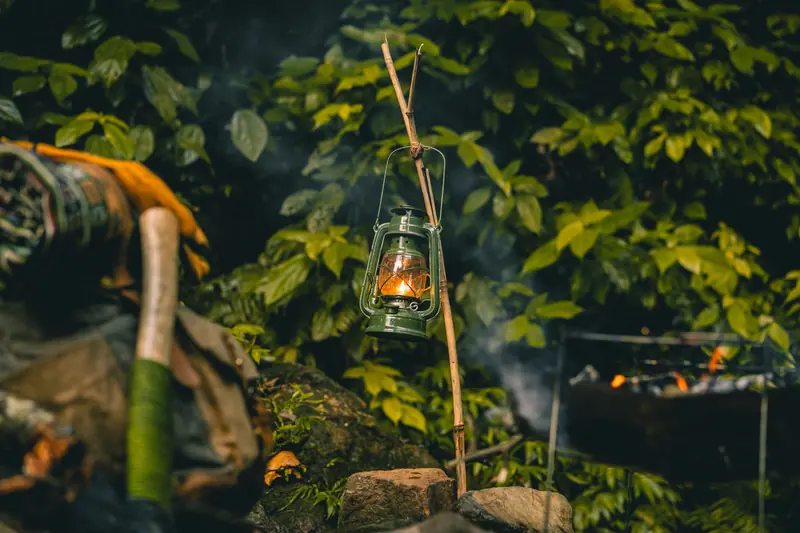
A lantern spreads light across a wider area than a headlamp. It earns its place over the picnic table, where several people need to see food, utensils and the wash basins. Put it on the table or hang it at a safe height, away from tent walls and anything that can tip. Point it down so the glare stays inside your site.
Inside the tent, a small lantern turned low is plenty. Keep it away from the sleeping bags and switch it off before you sleep.
Fuel matters here. The Consumer Product Safety Commission says not to use portable heaters or lanterns while sleeping in enclosed areas such as tents, campers and other vehicles. If your lantern burns fuel, keep it outside and put it out before bed. Battery-powered lights avoid the problem. For stoves, see camp stove types for beginners.
Red light and good neighbor habits
NPS says most campgrounds have no regulations about lights in your campsite, but you should think about how your lights affect others who are trying to sleep or enjoy the darkness. Its advice is short: keep lights shielded and pointing down. You may want to turn them off completely to enjoy the night sky.
White light costs you more than you might think. NPS says that white light from flashlights and cell phones can harm night vision, and that a red light affects yours and others’ night vision much less. It says eyes need 20 to 30 minutes to adjust fully to very low light. Many flashlights and headlamps have a red setting. If yours does not, NPS says you can cover a white light with red cellophane.
Here is how those points turn into habits:
- Switch to red or low light once the sun is down.
- Look at the ground, not at faces or neighboring tents.
- Do not sweep your beam across other sites or campfires.
- Turn off the lantern when you leave the table.
- Keep phone screens dim, since they give off white light.
- Follow posted quiet hours. More in quiet hours and campground respect.
Some parks and sites have extra rules about lights, so read the campground page for yours.
Moving around camp after dark
NPS says that if you have to leave camp after dark, you should stay in areas you saw in daylight, go with a companion and use a headlamp. It also warns that stakes and lines near a high-traffic area become tripping hazards. Keep guy lines out of the path to the restroom, the table and the car.
Walk on the road or the trail instead of cutting through another site. NPS calls it rude to enter or pass through an occupied campsite without permission.
For children, a headlamp can make the dark feel less strange. Let them test it in daylight first. See camping with kids for more.
Common mistakes
- Relying on a phone as the only light. It drains the battery you may need and gives off white light.
- Packing lights without batteries. Check them at home.
- Aiming the lantern outward. Glare reaches the next site.
- Leaving lights on all night. It affects neighbors and the sky.
- Using a fuel-burning lantern or heater inside the tent. Do not.
- Setting up in the dark. Arrive with time to spare.
Frequently asked questions
Do you need both a headlamp and a lantern?
It helps. A headlamp frees your hands for walking and cooking. A lantern lights the table for everyone. If you can only bring one, take the headlamp.
Why use red light at camp?
NPS says red light affects night vision much less than white light and is considerate of others. It takes 20 to 30 minutes for eyes to adjust to very low light, so avoiding white light helps protect it.
Are string lights allowed at campgrounds?
Rules vary by campground. NPS says most campgrounds have no regulations about lights in your campsite, but it asks campers to keep lights shielded and pointing down. Read your campground’s page.
How many spare batteries should you pack?
No official source sets a number. Pack enough that each light has a spare set, and test the lights before you leave.
Next step: build your checklist
Open the Planner, choose your trip type and group size, and add lights and batteries to your list. Then walk your campsite once at dusk to see what your lights do to the neighbors.
Sources
Official pages used for this guide. Rules vary by place and change often, so check the page for your campground before you go.
- Camp Etiquette, National Park Service. Accessed November 6, 2026.
- I Didn't Know That!: Stargazing 101, National Park Service. Accessed November 6, 2026.
- Before the Trip (camp safety), National Park Service. Accessed November 6, 2026.
- Finding and Setting Up a Campsite, National Park Service. Accessed November 6, 2026.
- Pitch Perfect: A Beginner's Guide to Camping Adventures, Bureau of Land Management. Accessed November 6, 2026.
- Ten Tips for First-Time Tent Campers, Recreation.gov. Accessed November 6, 2026.
- Portable Heaters and Camping Equipment (carbon monoxide), U.S. Consumer Product Safety Commission. Accessed November 6, 2026.
Keep reading
Gear and Camp Setup
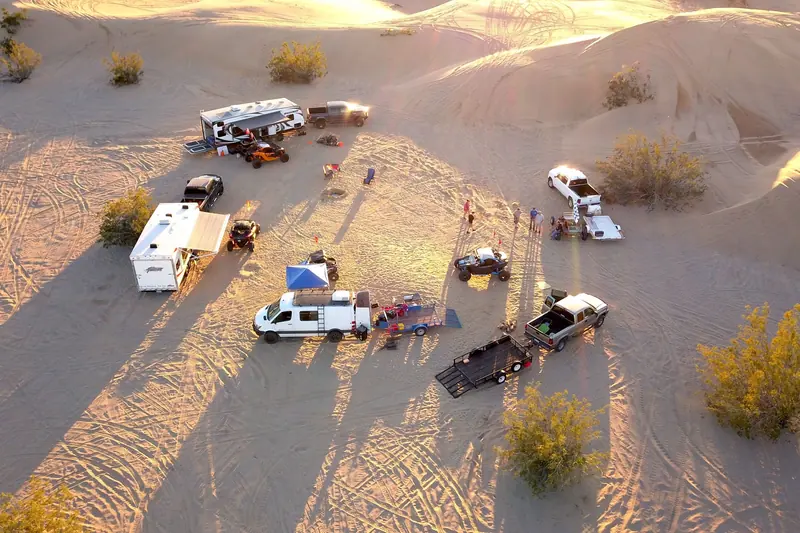
How to Set Up a Campsite: Where Everything Goes
Where the tent, kitchen, fire ring and food storage go on a campsite, and how to use the space well.
Gear and Camp Setup
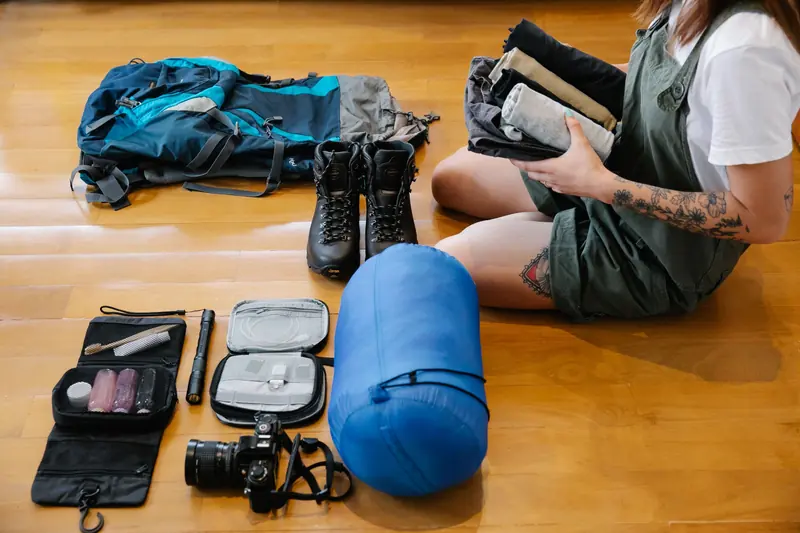
How to Pack for Camping: Car and Backpack Organization
Pack by job and order of use: a bin system for the car, a loaded test for the backpack, and a plan for food and trash.
Gear and Camp Setup
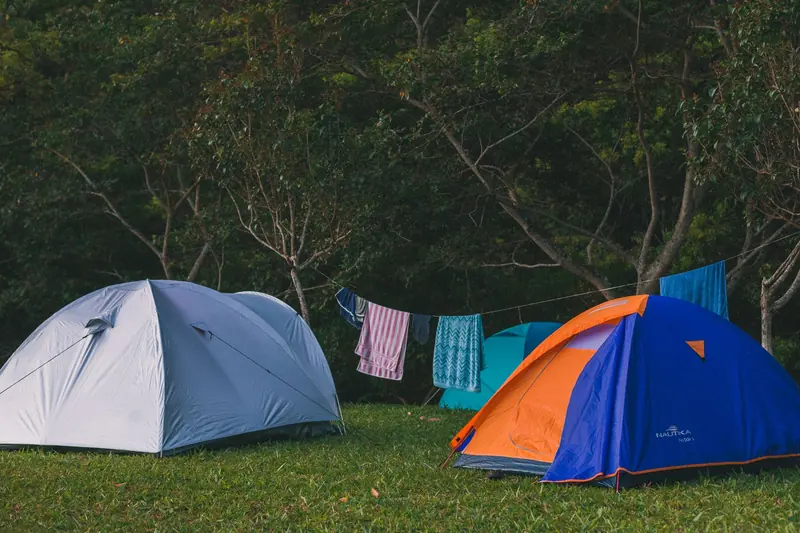
How to Clean, Dry and Store Camping Gear
Unpack, dry, clean, inspect and store your gear after each trip so it stays fresh and ready for the next one.